The New Math of Luxury Watch Value
Your Journey to the Perfect Timepiece
Welcome to your comprehensive guide to watch buying. For many, a watch is more than a time-telling device; it's a statement of personal style, a marker of a key life milestone, and a potential investment. Choosing the right one is a significant decision that involves appreciating intricate craftsmanship and finding a piece that reflects your taste and journey.
A smart purchase starts with understanding the key factors: the watch type (mechanical or quartz), its style and purpose, size and fit, water resistance, and your budget. This guide will help you steer these elements to find a timepiece you'll value for years to come.
Decoding the Watch: A Buyer's Essential Checklist
Before you buy, it helps to understand what goes into a watch. From the mechanism that powers it to the materials that protect it, every element defines a timepiece. This section of our guide to watch buying breaks down the technical and design choices to help you shop with confidence.
The Engine: Understanding Movements and Complications
At the heart of every watch is its movement—the mechanism that keeps time. It determines the watch's accuracy, maintenance needs, and much of its collector appeal.
- Mechanical watches are powered by a mainspring, not a battery, representing centuries of horological tradition. Manual-wind versions create a daily ritual for the owner, a moment of connection as they wind the crown to power the intricate machine within. Automatic (or self-winding) models use a weighted rotor that spins with the motion of your wrist, winding the mainspring automatically. For many enthusiasts, the appeal of a mechanical watch lies in this remarkable craftsmanship, often visible through an exhibition case back, and the smooth, sweeping motion of the second hand. They do require servicing every 3-5 years to ensure their longevity and accuracy.
- Quartz watches use a battery and a crystal for exceptional accuracy and minimal maintenance. Their second hand has a distinct one-second 'tick'. They are practical, reliable, and generally more affordable.
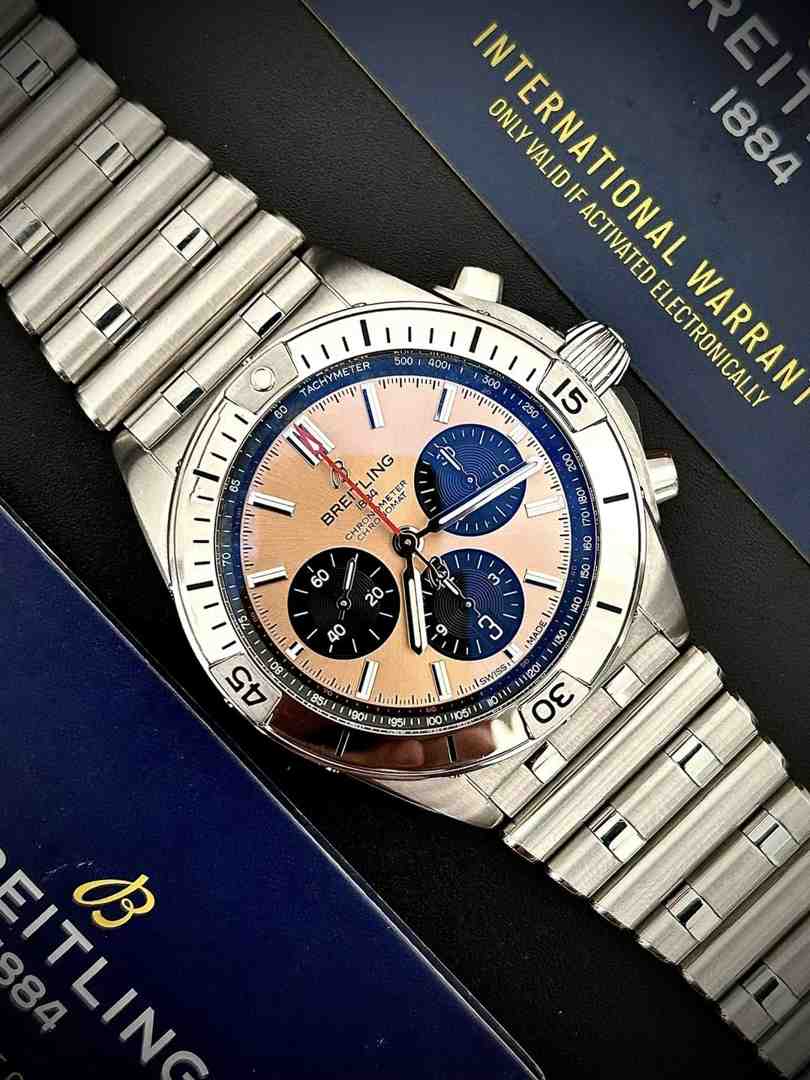
Any function beyond telling time is known as a complication, showcasing a watchmaker's skill. A chronograph acts as a built-in stopwatch, typically operated by pushers on the side of the case. A chronometer is not a complication, but rather a high-precision watch that has passed the rigorous accuracy tests set by an official institute, most famously the Contrôle Officiel Suisse des Chronomètres (COSC). The simple date display is the most common complication. For frequent travellers, a GMT function is invaluable, allowing the tracking of a second time zone. Other desirable complications include the power reserve indicator, which shows how much longer the watch will run before needing to be wound, and the moonphase, an elegant display that tracks the lunar cycle.
Form & Function: A Guide to Watch Styles and Materials
A watch's design and materials define its character. Styles are often categorised by their purpose:
- Dress watches are slim and neat for formal occasions.
- Sports watches are built for durability. This includes dive watches, with high water resistance and a rotating bezel like the iconic Rolex Submariner. You can learn more in our article Why Collectors Still Chase the Rolex Submariner 114060.
- Pilot watches prioritise legibility, while field watches offer rugged, practical designs.
Case materials impact durability and aesthetics. Stainless steel is popular for its toughness and corrosion resistance. Titanium is favoured for being lightweight and hypoallergenic. Gold offers a classic luxury feel, while modern materials like ceramic provide exceptional scratch resistance, though they can be more brittle. Straps also play a key role, from classic leather for formal wear to durable metal bracelets and versatile rubber or fabric options for sports watches.
Sizing, Fit, and Water Resistance
A watch should fit your wrist proportionally and comfortably.
- Case diameter is the main measurement to consider. For most wrists, 38mm to 42mm is a good starting point. The lugs (where the strap attaches) shouldn't overhang your wrist. The best way to find your ideal size is to try on different watches. Our article on the Tudor Black Bay in Australia: Features, Popular Models, Buying Tips offers insights into popular models and their fit.
Water resistance is critical. Understand the ratings for real-world use:
- 30m (3 ATM): Splash-resistant. Safe for rain and handwashing.
- 100m (10 ATM): Suitable for swimming and snorkelling.
- 200m (20 ATM) or more: Necessary for scuba diving.
For proper dive use, look for models tested to the ISO 6425 diver's watch standard. Always ensure the crown is screwed down before water exposure. Leather straps are not suitable for water; choose rubber, metal, or fabric instead.
A Practical Guide to Watch Buying
Now that we have dug into the fascinating inner workings and stylish exteriors of watches, let's shift to the practicalities of bringing one home. Making an informed purchase is just as important as choosing the right style. This section of our guide to watch buying is designed to equip you with the knowledge to navigate the purchasing process, covering everything from setting a realistic budget to finalising your purchase with confidence.
Defining Your Budget and Understanding Value
Setting a realistic budget is the first step. The watch market offers options at all price points, each with a different blend of craftsmanship and brand heritage.
- Affordable (under AUD $500): This tier includes reliable quartz watches and entry-level mechanical pieces from brands like Casio and Citizen.
- Mid-Range (AUD $500 - $2,500): Here you'll find more refined mechanical movements and superior finishing from respected brands like Seiko, Tissot, and Hamilton.
- Luxury (AUD $2,500+): This is the field of exceptional craftsmanship, premium materials, and complex movements from brands like Rolex, Omega, and Breitling.
A luxury watch is defined by meticulous finishing, high-grade materials, and often an in-house mechanical movement. While new watches depreciate, certain pre-owned models can be sound investments, a topic explored in our article, What Defines a Good Investment Watch Today. For specific brand insights, see our Guide to Buying Pre-Owned Audemars Piguet Watches in Australia.
Where to Buy: A Modern Guide to Watch Buying Channels
In Australia, you have several options for buying a luxury watch. Authorised Dealers (ADs) offer the latest models, while the pre-owned market provides access to discontinued models and often better value.
If you're deciding between private sellers and trusted dealers, it's crucial to weigh convenience against risk. While private marketplaces might present a lower initial price, the responsibility for comprehensive due diligence falls entirely on you. This includes verifying the watch's authenticity, checking its service history, and navigating the complexities of secure payment and shipping. Conversely, purchasing from a trusted dealer like WristWorks shifts this workload to experienced professionals. This path significantly reduces the risk of acquiring a counterfeit, ensures the watch's condition is accurately represented, and simplifies the entire transaction process, from payment to delivery.
Trusted online dealers have become a popular and convenient choice. At WristWorks, our 100% online business is built on making luxury watch trading transparent and trustworthy. We keep the process simple and clear so you know exactly what you're buying.
To support transparency and availability, approximately 95% of our inventory is owned directly by WristWorks. We also offer consignment as a useful secondary option. All consignment pieces are securely held by WristWorks before listing, and payments are made directly to our business—no peer-to-peer risks. For more advice, see our Find Your Perfect Timepiece: A Complete Guide to Buying Watches Online.
The Final Check: Your Guide to Watch Buying with Confidence
Making a significant purchase should feel exciting. Follow these final steps to ensure long-term satisfaction:
- Define your needs and style.
- Set your budget.
- Explore brands and models that fit your criteria.
- Choose where to buy: Consider ADs, the pre-owned market, or trusted online platforms like WristWorks.
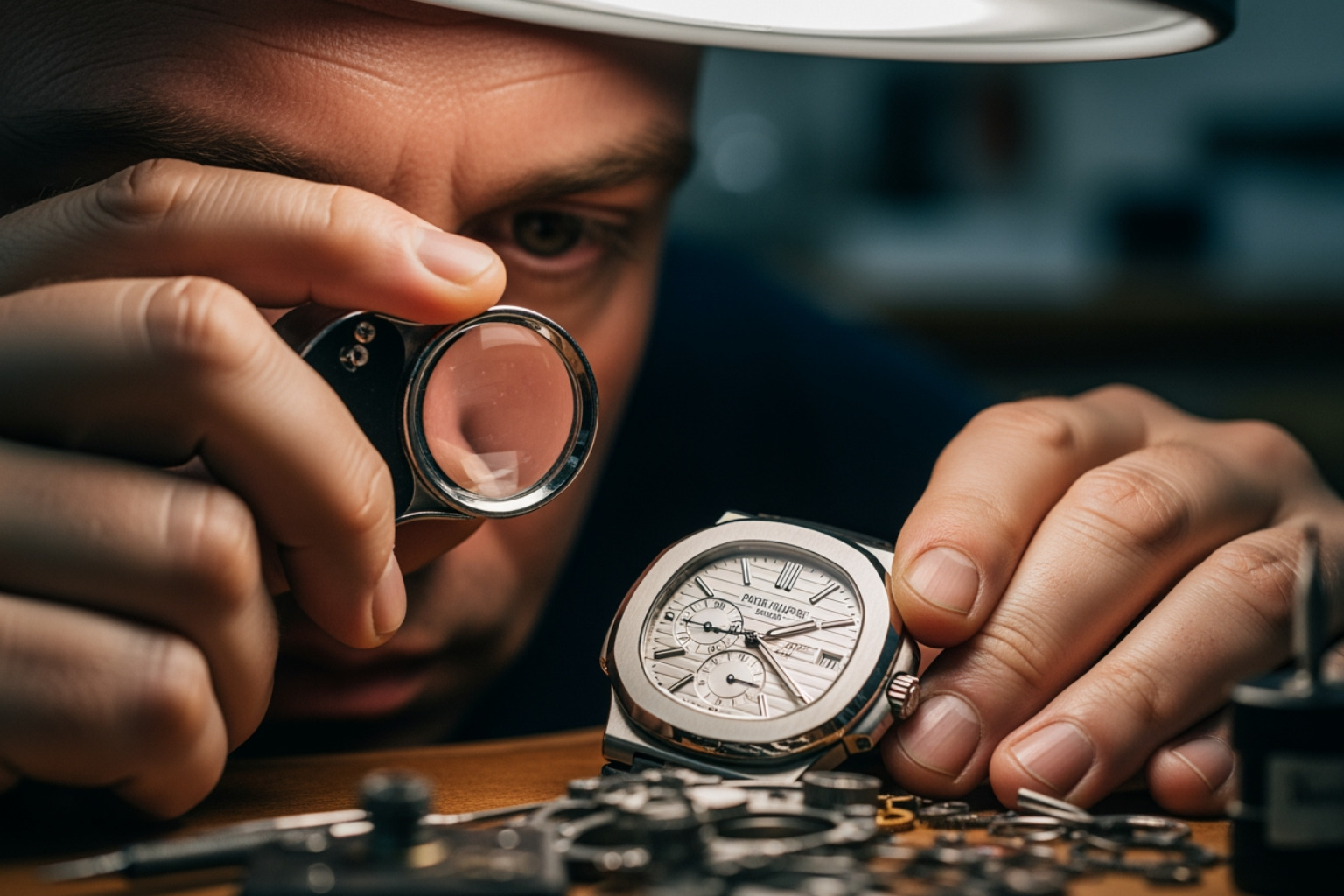
- Verify authenticity and condition. For pre-owned watches, this is the most critical step. Look for crisp dial printing, correct hand shapes, and high-quality finishing on the case and movement. Any signs of water damage, such as spotting on the dial or rusted hands, are major red flags. This is where the expertise of a trusted dealer becomes invaluable, as they have the tools and experience to spot fakes and identify potential issues that an untrained eye might miss.
- Check for "Box and Papers", as original packaging adds value.
Proper aftercare protects your investment. Mechanical watches require servicing every 3-5 years, as internal lubricants dry out and parts wear. A service involves disassembling, cleaning, and re-lubricating the movement. Quartz watches simply need battery replacements. For all watches, clean with a soft cloth and store away from extreme temperatures and magnetic fields. A light polish can refresh a modern watch, but we advise against polishing vintage pieces to preserve their original character and value.
If you're upgrading and need to sell first, a direct sale to a dealer provides instant quotes and certainty on authentication and payment timing. Consignment can help you target a specific price, with the trade-off of a longer timeline.
Explore our curated collection of authenticated luxury watches