Best Investment Watches That Actually Hold Their Value
The Best Watches for Investment in 2026: A Quick-Answer Guide

The best watches for investment tend to come from a small group of brands with tight production, strong heritage, and consistent secondary market demand. Here is a quick overview of the top performers:
| Watch | Why It Holds Value |
|---|---|
| Rolex Daytona (steel) | Decades of waitlists and secondary market premiums above retail |
| Rolex GMT-Master II (Batman/Pepsi) | Deliberate supply constraints drive consistent appreciation |
| Rolex Submariner Date | Blue-chip sport reference with broad global liquidity |
| Patek Philippe Nautilus 5711 | Discontinued production pushed secondary prices well above retail |
| Patek Philippe Aquanaut | Strong ongoing demand with significant resale markup |
| Audemars Piguet Royal Oak | Iconic design with structural secondary market premiums |
| Omega Speedmaster Professional | Retains value well and offers a more accessible entry point |
| Tudor Black Bay | Solid value retention at a lower price tier |
| Cartier Santos | Growing collector interest and strong brand recognition |
The luxury watch market reached $50.6 billion in 2025, up from $40.7 billion in 2021. In that same period, certain Rolex references delivered returns that outpaced gold, real estate, and the S&P 500. Yet the market is not without its complications. Secondary market prices fell for eleven consecutive quarters after peaking in mid-2022, and they dropped a further 5.7% in 2024. That kind of volatility is a reminder that watches are not guaranteed investments — they are tangible assets that reward research, patience, and careful selection.
For buyers like Daniel — analytical professionals who value craftsmanship, documented provenance, and fair dealing — the question is not simply which watches look good. It is which ones make sense over the long term, and how to buy them without overpaying or getting burned.
This guide cuts through the noise. It covers the models with the strongest track records, the factors that actually drive resale value, the differences between modern and vintage pieces, and what Australian buyers specifically need to know before committing.
I'm Brad Purdy, founder of WristWorks, and I've spent years buying and selling the best watches for investment across Australia's pre-owned market, building a business on transparency and rigorous process rather than hype. In what follows, I'll share what that experience has taught me about which watches are worth your money — and which are not.
Best watches for investment terms explained:
Market Dynamics: What Makes the Best Watches for Investment Hold Value?
To understand What Defines a Good Investment Watch Today, we must look past marketing and focus on market dynamics. The primary force behind value retention is structural scarcity. Major manufacturers deliberately limit the production of their most desirable steel sports models, ensuring demand always outpaces supply.
When analysing whether Do Luxury Watches Hold Their Value, brand heritage and production caps are the ultimate indicators of long-term stability. The "Big Three" brands—Rolex, Patek Philippe, and Audemars Piguet—control roughly 64% of the total secondary market value. Because these manufacturers prioritise brand equity over short-term volume, their iconic designs command substantial secondary market premiums.
According to our Luxury Watches Investment Guide 2026, smart collectors look for models that show a healthy markup on the secondary market. Even during broader economic corrections, these specific references continue to trade well above their original retail prices because of their global desirability. For a deeper look at these growth dynamics, you can read more about Best Investment Watches: Top Timepieces for Value Growth.
To illustrate this, here is how the secondary market premiums compare for some of the most sought-after investment models in 2026:
| Model | Secondary Market Markup (Estimated) | Market Status |
|---|---|---|
| Patek Philippe Cubitus 5821/1A-001 | 173% | Extremely Scarce |
| Audemars Piguet Royal Oak 15416CE | 161% | High Demand |
| Patek Philippe Aquanaut 5267/200A-001 | 132% | Highly Collectable |
Rolex: The Blue-Chip Standard and Best Watches for Investment
When building a portfolio of tangible assets, many collectors choose to Invest in Rolex. Rolex is the undisputed giant of value retention, combining massive global brand recognition with strict supply management.
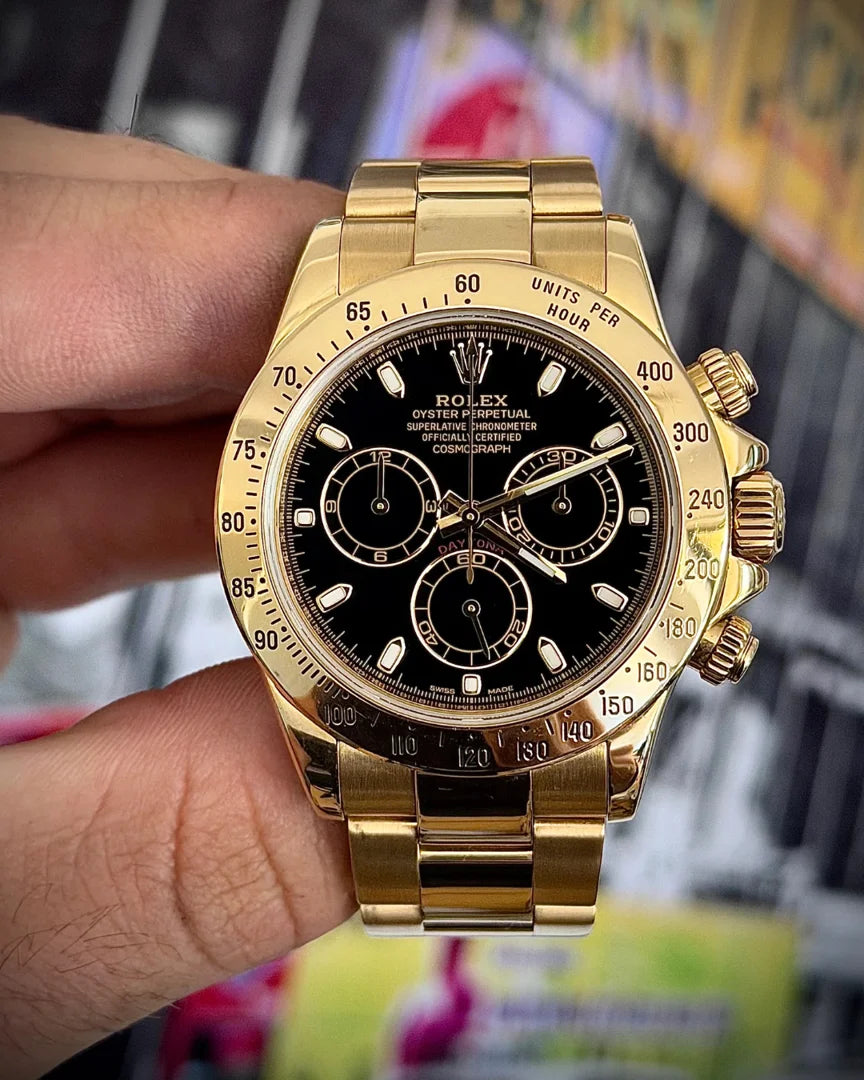
The brand's stainless steel sports models—specifically the Daytona, GMT-Master II, and Submariner—remain the safest entry points for preservation of capital. The steel Daytona, for example, has commanded multi-year waitlists at authorised dealers for decades. This artificial bottleneck means clean, pre-owned sport models consistently trade at significant premiums on the secondary market.
While sports models receive the most attention, the classic dress models also play a vital role. This is Why the Rolex Datejust Stays a Cornerstone Reference for collectors who value steady, reliable performance. The Datejust does not experience the wild, speculative price swings of the Daytona, making it a defensive anchor for a collection. It is a highly liquid reference that is always in demand, proving that the best watches for investment do not always have to be sports chronographs.
Patek Philippe and Audemars Piguet: The Best Watches for Investment at the Ultra-Luxury Tier
At the pinnacle of the market, Patek Philippe and Audemars Piguet represent the ultimate tier of wealth preservation. The battle between these two giants is legendary, as explored in our comparison of Patek Nautilus vs AP Royal Oak 2026: Which to Buy?. Both brands rely heavily on iconic sports designs originally penned by legendary designer Gerald Genta in the 1970s.
Patek Philippe's position is reinforced by its family governance and strict production caps. The Stern family has maintained a disciplined approach to production for generations, capping total annual output to ensure extreme scarcity. This is Why Patek Philippe Stays a Cornerstone of Collecting. When Patek Philippe discontinued the legendary Nautilus 5711, it sent a clear signal to the market: they will not overproduce a single model to chase short-term profits, even if it is their most popular watch.
Audemars Piguet operates with a similar strategy for its Royal Oak line. While the Royal Oak 15202 and its modern successors remain highly coveted, the brand's restricted production and cultural relevance keep secondary market premiums high. For ultra-high-net-worth individuals, these two brands offer the highest appreciation potential, though they require significant capital and established relationships to acquire at retail.
Mid-Tier Alternatives: Omega, Tudor, and Cartier
For collectors looking to enter the market without ultra-luxury budgets, several mid-tier brands offer excellent value retention. These manufacturers combine historical significance with accessible entry points, making them a sensible addition to our Luxury Watch Investment Guide.
- Omega Speedmaster Professional: Known globally as the "Moonwatch," this model has unmatched historical significance. Because of its legendary status, clean pre-owned Speedmasters hold their value incredibly well and enjoy high liquidity.
- Tudor Black Bay: As the sibling brand to Rolex, Tudor benefits from shared engineering excellence. The Black Bay series, particularly the Fifty-Eight, offers outstanding build quality and strong value retention at a fraction of the cost of a Rolex Submariner.
- Cartier Santos: Originally designed in 1904 as one of the first purpose-built wristwatches, the Santos has seen a massive resurgence. Cartier's growing collector appeal has made the Santos a highly stable mid-tier asset.
Modern vs Vintage: Risk, Reward, and Care Considerations
Choosing between modern and vintage timepieces is one of the most important decisions an investor can make. As outlined in The Case for Investing in Pre-Owned Watches, modern and pre-owned watches generally offer better reliability, daily wearability, and easier maintenance.
However, the vintage market operates on a different set of rules. In The New Math of Luxury Watch Value, we see that vintage watch value is entirely dependent on originality and condition.
- Polishing and Care: While light polishing is perfectly acceptable to restore the finish of a modern watch, it must be strictly avoided on vintage pieces. Collectors heavily favour "unpolished" vintage watches that retain their original case lines and sharp bevels. Polishing a vintage watch can permanently destroy its market value.
- Original Components: A vintage watch must have its original dial, hands, bezel, and movement parts. Replacement service parts, even if installed by the original manufacturer, will significantly hurt the resale value.
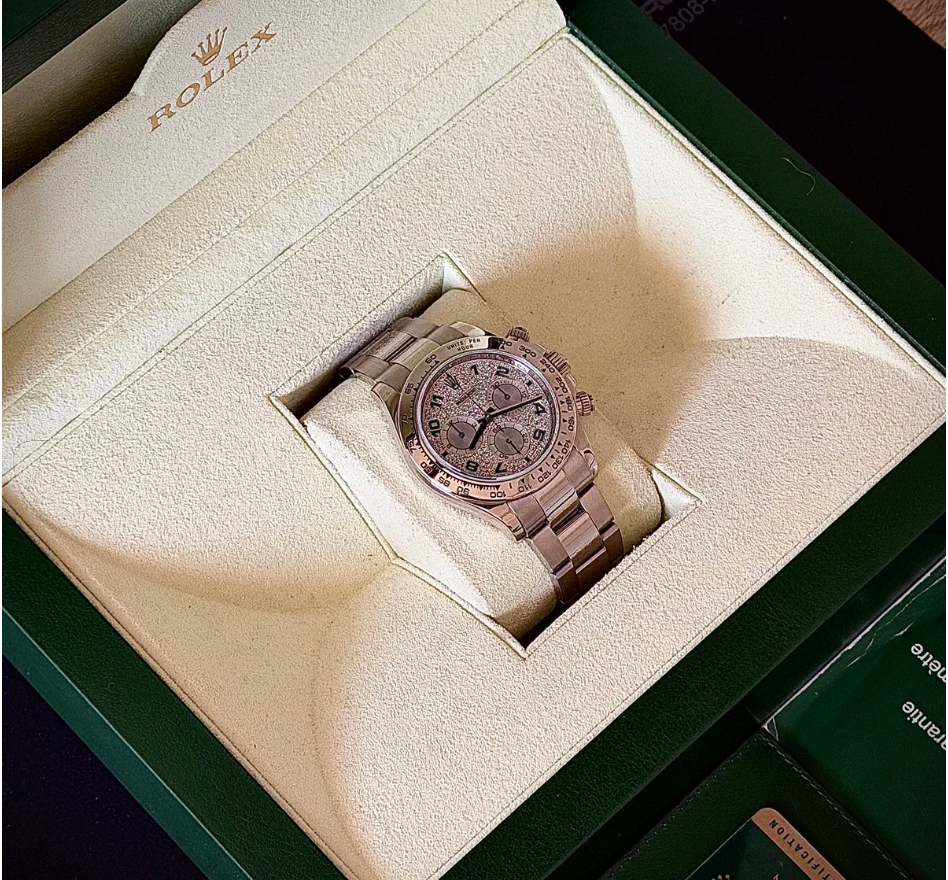
- Box and Papers: Having the original presentation box, hand tags, and paperwork can add a substantial premium to the final sale price. For modern investments, these documents are essential to ensure maximum liquidity.
How to Safely Build Your Collection in Australia
For those learning How to Buy Watches as Investment, navigating the local market requires a careful approach. Australian collectors face unique challenges, including geographic isolation and regional demand variations.
According to the Best Men's Investment Watches: Guide for Australian Collectors, buyers must factor in local regulatory realities. In Australia, all local transactions are subject to GST. Working with a domestic dealer who provides clear, GST-inclusive pricing is the simplest way to avoid unexpected tax liabilities or customs delays when importing from overseas.
We strongly advise against using unverified peer-to-peer online marketplaces. These platforms expose buyers to significant risks, from sophisticated counterfeits to unsafe transaction environments. Instead, the safest and most efficient route is dealing directly with established specialists. Buying directly from a trusted dealer ensures a secure transaction, clear provenance, and a smooth, professional experience from start to finish.
Conclusion: Balancing Passion and Financial Return
Investing in luxury watches is a unique pursuit that combines financial strategy with personal enjoyment. While the data shows that the best watches for investment can deliver exceptional long-term value, the most successful collectors are those who buy watches they genuinely love to wear.
At WristWorks, we believe in making luxury watch trading transparent, simple, and secure for Australian collectors. Based in Perth, Western Australia, we operate a 100% online model designed to pass maximum value on to our clients. We own 95% of our inventory outright, allowing us to maintain complete control over quality and pricing.
If you are looking to sell or update your collection, we always recommend direct-to-dealer outright sales as the primary, most secure method. It offers unmatched speed and peace of mind, allowing you to bypass the long wait times and security risks of private sales. While we do offer an optional consignment service for select timepieces, we hold all consigned pieces securely in our custody and handle all payments directly to ensure a seamless experience.
Ready to take the next step in your collection journey?
- Browse our current curated selection of investment-grade timepieces: Explore Our Collection
- Ready to unlock the equity in your current watch? Get a fast, secure valuation: Trade In Your Watch
- Have questions about a specific reference? Speak directly with our team: Contact Us Today