Why a 'Full Set' Can Make or Break Your Watch Investment
Why a 'Full Set' Matters More Than You Think
How important is a full set when buying a watch?
In the Australian pre-owned market, a full set can add up to 25% to a watch's value and help it sell around 13% faster. A 'full set'—the original box, papers, and accessories—provides useful reassurance about a watch's authenticity and history.
When buying or selling a luxury watch in Australia, it is common to ask whether it is worth paying more for a complete package or accepting a better price for a watch-only deal. For modern watches, a full set often plays a key role in checking legitimacy in a market where high-quality fakes exist. For vintage pieces, it is a desirable bonus, but the watch's originality and condition are usually more important.
Some collectors will only consider full sets, while others care mainly about the watch on the wrist. The answer depends on your goals. This guide explains when a full set really matters, how it affects resale and investment potential, and how to weigh your options if you are deciding between doing it yourself on marketplaces or working directly with a dealer like WristWorks.
Selling directly to a dealer offers a different path from listing privately. Instead of creating your own listing, fielding enquiries, and defending authenticity without paperwork, you can obtain an instant quote, secure payment, and avoid disputes. Consignment remains a secondary option if you are willing to wait for a buyer, but direct sale is usually the most straightforward and predictable route.
The Real Value of Box and Papers: A Buyer's Guide
What Exactly is a 'Full Set'?
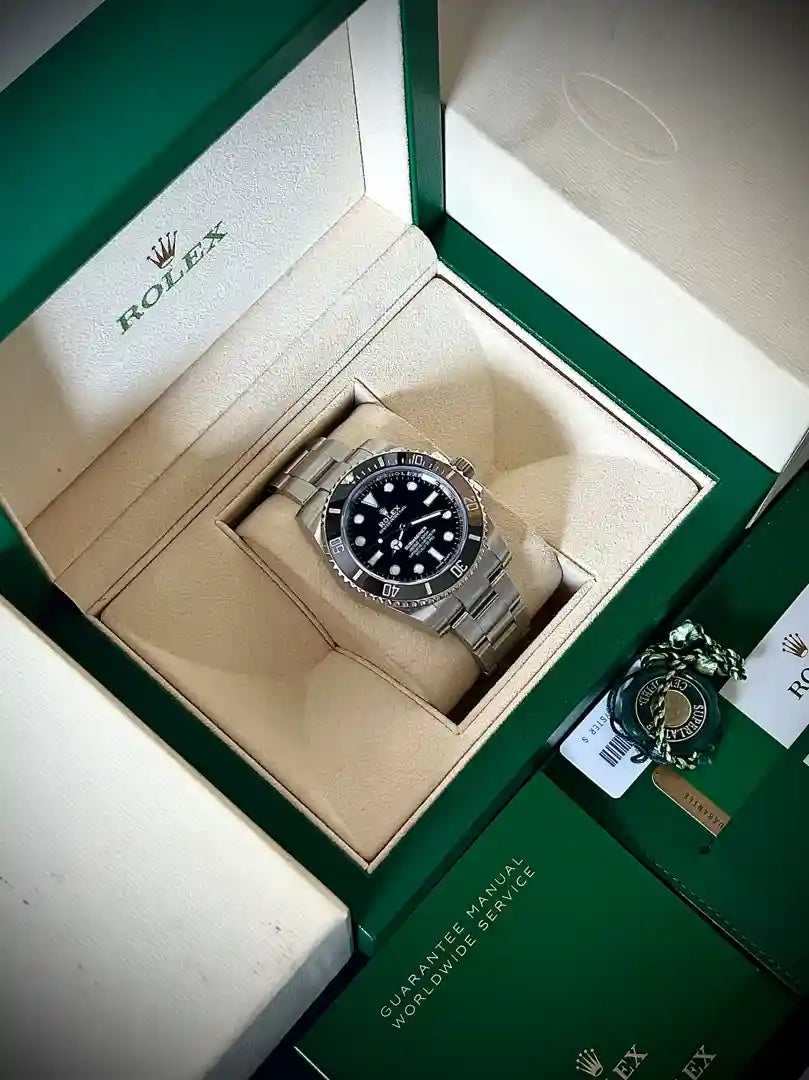
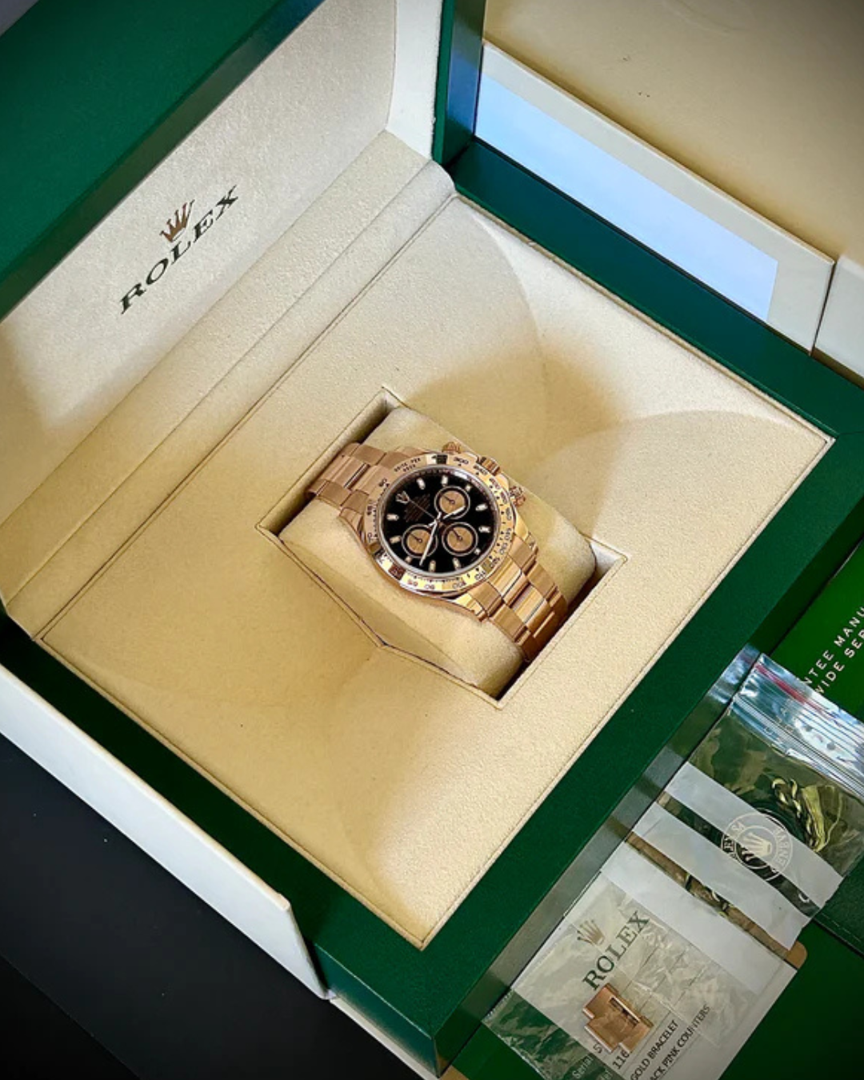
In the luxury watch market, a 'full set' refers to all the original items included at the time of purchase. While contents vary by brand and era, a complete set gives a clearer picture of where the watch came from and how it has been kept.
Typically, a full set includes:
- Outer and inner boxes: The protective sleeve and the main presentation case.
- Original papers: The most critical component. This can be a card or certificate containing the watch's reference and serial numbers, which should match the watch.
- Instruction manual and booklets: Guides for operation and care.
- Hang tags: Small model or chronometer tags.
- Original purchase receipt (if available): Adds historical context, detailing the purchase date and price.
Each component plays a role in illustrating a watch's history and supporting checks of authenticity. As experts note, a 'Full Set' is everything that came with the watch from new.
For owners, it is worth storing these items carefully in a dry, cool place away from direct sunlight. Keeping boxes and papers together, ideally in sleeves or folders, helps prevent damage and makes it easier to present a tidy, complete package when the time comes to sell.
For more detailed information, you can refer to this external guide: What do we mean by a 'Full Set'?
How Much Does a Full Set Add to a Watch's Value?
A full set can have a noticeable impact on a watch's market value in the pre-owned space, especially for popular modern models.
- Overall value difference: In many cases, a full set can add up to about 25% to a watch's asking price compared with a similar watch-only example, although the exact figure varies by brand, model, and condition.
- Faster sales: Listings with box and papers often move more quickly; some data suggests they sell roughly 13% faster than watch-only pieces.
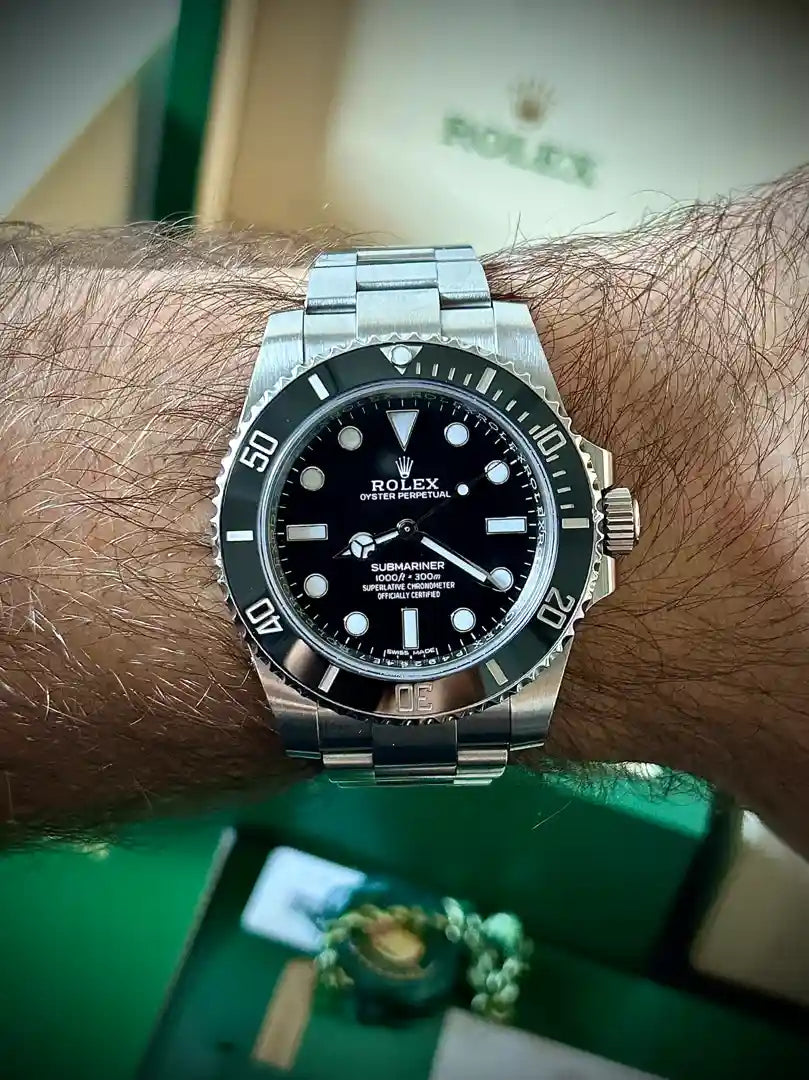
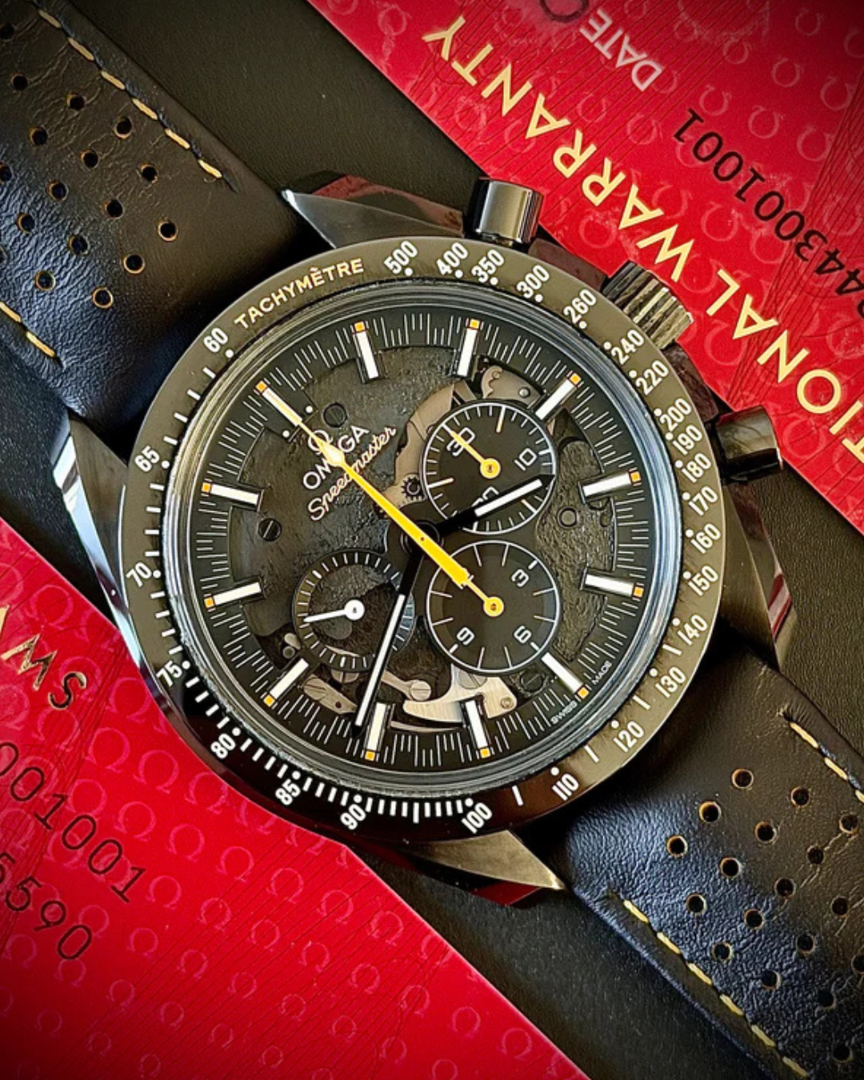
- Model-specific premiums: A Rolex Submariner 16610 with a full set can command close to 17–18% more than a comparable watch-only sale, while a pre-ceramic Rolex GMT-Master II 16710 may see a premium of just over 20%. Other popular models from Omega and Cartier can also attract double-digit percentage uplifts.
On major online marketplaces, listings that include box and papers typically outnumber those without, which reflects buyer preference for completeness and ease of resale.
If you are comparing do-it-yourself selling with going through a dealer, these premiums are worth considering. A private seller with a full set might achieve a higher headline price but will usually need to invest more time in photos, messaging, and buyer checks. Selling directly to a dealer like WristWorks can be faster and more predictable, even if the offer reflects wholesale pricing.
For more on how these factors influence the market, explore our insights into Inside the Economy of Second-Hand Luxury Watches.
Are Box and Papers Essential for Authentication?
Box and papers are not legal documents, but they are useful supporting evidence when assessing a watch.
Original papers with serial numbers matching the watch are harder to reproduce convincingly than basic packaging and can strengthen confidence that the watch has followed a normal path from retailer to owner. That said, papers on their own are not a guarantee of anything.
A careful, step-by-step approach to authentication is still essential. Points to watch include:
- Mismatched details: Serial numbers on the watch and the papers should line up.
- Incorrect style of papers or box: A modern box with a vintage watch, or documents that do not suit the model or era, can be a warning sign.
- Obvious design or printing issues: Poor printing quality or odd fonts may indicate replacement or fake papers.
It is also important to distinguish between original papers and service papers. Service papers show that a watch has been maintained and may outline work carried out, but they do not establish the original point of sale in the same way.
For buyers who prefer to go it alone, learning to check case engravings, movements, and dial details is essential. For those who would rather avoid that learning curve, working with a trusted dealer shifts that burden onto a business that handles these checks every day.
For a deeper dive into understanding watch details, read our From Novice to Watch Nerd: Your Essential Guide to Understanding Timepieces.
How Important is a Full Set When Buying a Watch: Modern vs. Vintage
The importance of a full set changes with the age and type of watch.
Modern watches
For contemporary pieces, a full set is often expected, particularly for mainstream sports models. With the rise of sophisticated fakes, original papers with matching serial numbers can be a helpful line of defence. A full set usually supports stronger resale value and makes the watch easier to sell on.
From a care perspective, light polishing is generally acceptable for modern watches when done properly, as long as it does not soften case lines excessively. Many buyers are comfortable with a clean, sympathetically refinished watch.
Vintage watches
Expectations for vintage watches are different. Decades ago, many buyers discarded boxes and paperwork, so finding a complete vintage full set is uncommon and often commands a strong premium. For these pieces, condition and originality matter most.
Key factors for vintage include:
- Correct period dial, hands, and bezel
- Case that has not been aggressively polished
- Movement in good mechanical order
With vintage, polishing is generally best avoided. Over-polishing can remove metal and blur chamfers and case lines, which reduces collectability and long-term value.
A full set is therefore a welcome bonus for vintage watches but usually not a deal-breaker if the watch itself is correct and well preserved.
For more tips on buying vintage, consult guides like this one: In-Depth: Nine Basic Things You Should Always Look At Before Buying A Vintage Rolex.
The Downsides: When a Full Set Can Be Misleading
While a full set is often beneficial, it can also distract from more important issues.
Common pitfalls include:
- Focusing on paperwork over condition: A buyer might accept an over-polished case, incorrect parts, or a tired movement simply because the original box is present.
- Assuming papers equal a good service history: Papers rarely list every service. Undisclosed repairs or poor-quality work may still be hidden.
- Overlooking fake or replacement items: As the value of full sets has increased, so has the incentive to supply aftermarket boxes or forged cards.
For private buyers, this means taking extra time to study the watch itself and not just the accessories. For sellers, it is wise to be transparent about any missing items rather than adding mismatched boxes later.
This is where the idea of "buy the seller, not just the watch" becomes important. A clear, consistent approach to describing stock and explaining any gaps in provenance matters more than a glossy box.
At WristWorks, our process looks past the packaging. We assess condition, originality, and documentation before pricing a watch and deciding whether to purchase it outright or offer it on consignment.
If you want to understand how these factors affect negotiating and timing, our guide Master the Market: How to Buy and Sell Watches Like a Pro explores these trade-offs in more detail.
The Future Outlook: Digital Provenance and Changing Trends
The idea of a full set is evolving as brands adopt digital tools and more sustainable packaging.
Some manufacturers now issue digital certificates or online ownership profiles instead of large, traditional boxes, lowering material use and making it easier to keep records in one place. In time, these digital records may track a watch's repairs and changes of ownership more accurately than paper alone.
For Australian buyers and sellers, this could simplify authentication and transfer of ownership, especially when dealing online across states. Digital records may help reduce disputes about lost papers or missing stamps.
That said, physical boxes and papers are unlikely to disappear entirely. Many collectors still enjoy having the original presentation box and documents that reflect the era in which the watch was sold, and vintage sets will remain especially prized.
The likely long-term picture is a mix of both approaches, where digital histories sit alongside traditional packaging. Whatever form it takes, clear, verifiable provenance will continue to matter for value, collectability, and peace of mind.
The Verdict: Should You Buy a Watch Without a Full Set?
Whether you should buy a watch without its full set depends on why you are buying and how you plan to sell in the future.
For investors and focused collectors, a full set is usually the safer choice. It tends to support stronger resale values, makes the watch easier to market later, and adds another layer of comfort around authenticity and provenance. If your main goal is to preserve or grow value, prioritising complete examples often makes sense, provided the condition is right.
For everyday wearers, a watch-only purchase can be a sensible way to reduce up-front cost. If you primarily want a watch to wear, are less concerned about maximising resale, and buy from a source you trust, missing boxes and papers are not necessarily a problem. The key is to satisfy yourself that the watch is genuine, correctly described, and mechanically sound.
When it comes to selling, you also have a choice between do-it-yourself and working with a dealer:
- DIY via online marketplaces: You may achieve a higher final sale price, especially with a full set, but you will need to manage listings, negotiate with buyers, answer detailed questions about provenance, and handle payment risks.
- Selling directly to a dealer: You receive an instant quote, deal with a single counterparty, and remove much of the uncertainty around disputes and returns. Offers are usually based on current market conditions and the presence or absence of a full set.
At WristWorks, around 95% of inventory is owned outright by the business. That means most of the watches listed have already passed through our standards and buying process before they appear for sale. For sellers, we prioritise secure, outright purchases so you can obtain a valuation and proceed without waiting for a future buyer.
Consignment is available as a useful secondary option if you prefer to target a higher sale price and are comfortable waiting. There are no location limitations on consignment pieces: all are held by WristWorks, and payments are made directly to the business when the watch sells.
Across both buying and selling, the central factor is trust and authenticity. Our process examines each watch in detail, checking movements, serial numbers, case and dial features, and any accompanying documentation before it is listed on the site. Full sets are clearly described where present, and watch-only pieces are priced accordingly.
If you are considering a watch as part of a broader investment approach, The Case for Investing in Pre-Owned Watches outlines how pre-owned pieces can fit into a longer-term strategy. For a wider overview of how buying and selling works in Australia, see Luxury Watches in Australia: A Modern Guide to Buying, Owning, and Selling.
Ready to buy or sell a luxury watch? Skip the uncertainty of online marketplaces and work directly with a trusted Australian dealer. Get an instant quote at WristWorks Instant Quote or contact WristWorks for clear guidance, secure transactions, and a straightforward experience.