
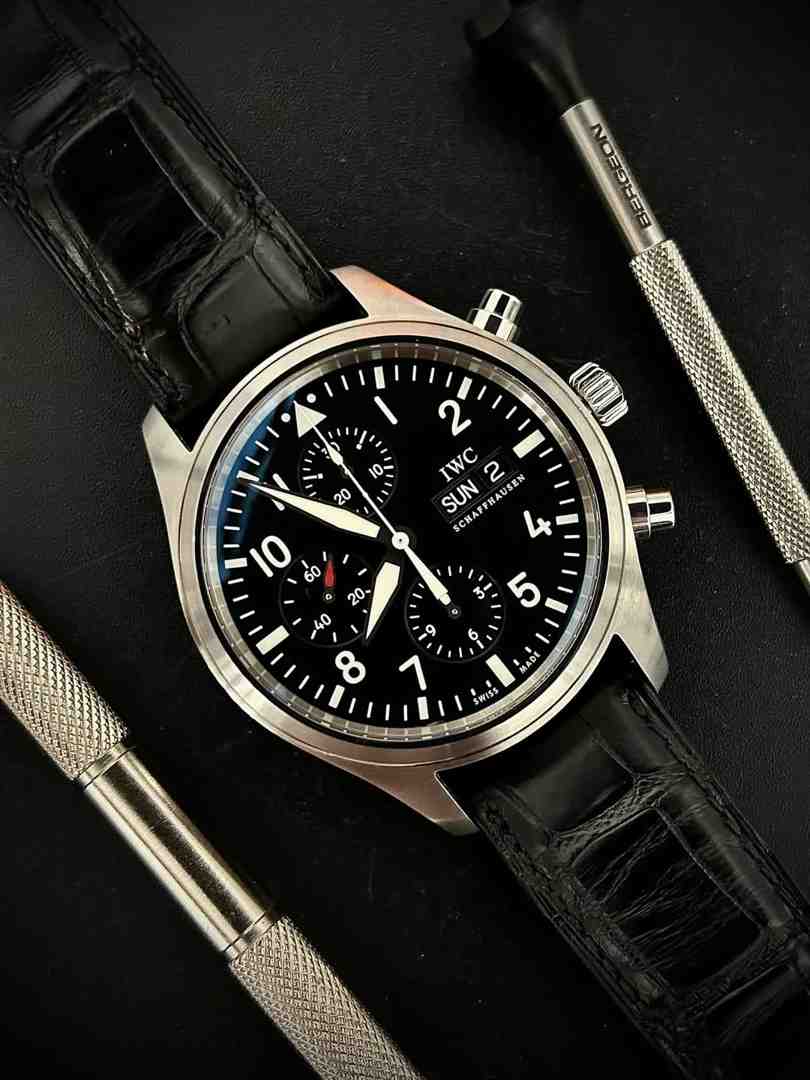
How to Choose a Man's Wrist Watch: The Art of Timeless Style
Why Choosing the Right Watch Matters

How to choose a watch for a man comes down to six key decisions: movement type (mechanical, automatic, or quartz), case size (38-46mm based on wrist circumference), materials (stainless steel, titanium, or precious metals), water resistance (3 ATM for splashes up to 20 ATM for diving), complications (date, chronograph, GMT), and style (dress, dive, field, pilot, or racing). Match the watch to the wearer's lifestyle, wrist size, and occasions to ensure both comfort and versatility.
A well-chosen watch makes a statement about taste and individuality beyond simply telling time. Few accessories carry the timelessness and personal significance that a quality wristwatch does. Unlike a smartphone, a watch becomes part of your identity, a piece of engineering artistry you wear daily, and potentially an heirloom you pass down. The ritual of winding a mechanical watch or the reliability of a quartz movement both connect you to centuries of horological craftsmanship. Whether you value precision, durability, or the romance of intricate gears, the right watch reflects who you are and what you care about. In the Australian landscape, where the climate can range from the humid tropics of Queensland to the dry heat of the Red Centre, choosing a watch that can withstand the elements while maintaining its aesthetic appeal is a unique challenge that requires careful thought.
Choosing a watch requires understanding movements, sizing, materials, and styles. The world of men's watches spans from affordable field watches to high-end luxury pieces bearing the Seal of Geneva. With only 24,000 of Switzerland's 30 million annual watches earning that prestigious hallmark, quality varies dramatically. This guide walks you through every factor to consider, from COSC chronometer certification standards (accurate to within -4 to +6 seconds per day) to matching case diameter with your wrist circumference. You will learn how complications like chronographs or GMT functions add utility, how water resistance ratings actually work, and when to favour a dress watch versus a dive watch. We recognise that for many Australian collectors, the journey of acquiring a timepiece is as much about the story and the engineering as it is about the brand name on the dial.
I'm Brad Purdy, and through WristWorks I have helped collectors across Australia and internationally buy and sell luxury watches with transparency and integrity. My experience in the second-hand watch market has taught me exactly what buyers need to know about how to choose a watch for a man, from assessing condition to understanding true value beyond marketing hype. We specialise in the direct acquisition of fine timepieces, ensuring a streamlined process for those looking to transition their collection.
How to Choose a Watch for a Man: Movement and Mechanics
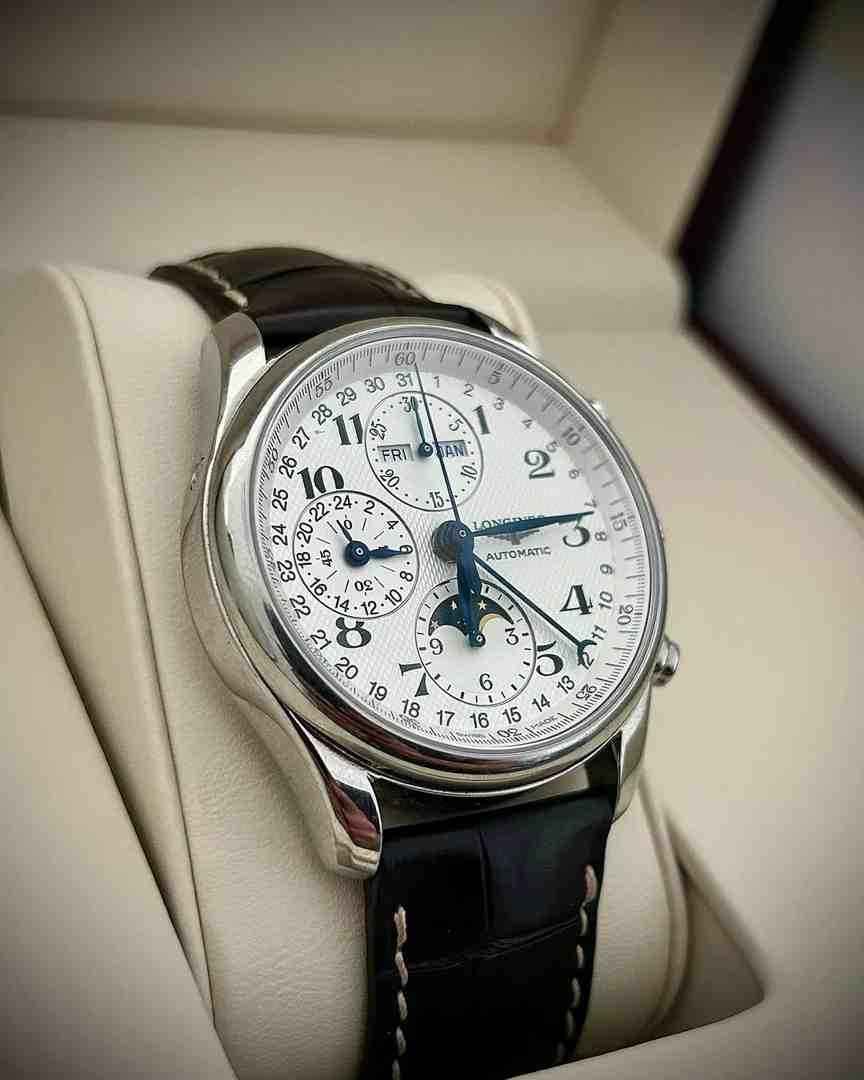
When we discuss how to choose a watch for a man, the "engine" inside the case—the movement—is the most significant factor for many enthusiasts. The movement determines how the watch keeps time and how the hands move across the dial. While there are dozens of variations, they generally fall into three categories: mechanical, automatic, and quartz. Each has its own set of characteristics that appeal to different types of owners, whether they prioritise the soul of a mechanical piece or the clinical precision of electronic timing.
For those seeking the pinnacle of watchmaking, we often look toward certifications. The COSC chronometer certification is a rigorous testing process where a movement must operate within -4 to +6 seconds per day across various temperatures and positions. Even more exclusive is the Seal of Geneva (Geneva Hallmark), a certification of excellence in finishing and decorative arts reserved for watches manufactured in the Canton of Geneva. Of the 30 million watches produced in Switzerland annually, only about 24,000 bear this mark, making it a true signifier of horological prestige.
Mechanical and Automatic Movements
Mechanical watches are the traditionalists' choice. They are powered by a mainspring—a coiled strip of metal between 23 and 33 centimetres long—that stores energy as it is wound. In a manual mechanical watch, the wearer must turn the crown regularly to tighten this spring, a ritual that many find connects them more deeply to the passage of time.
Automatic movements are a subset of mechanical watches that use a weighted rotor. This rotor spins as the wearer moves their arm, automatically winding the mainspring. If worn daily, an automatic watch will never stop. However, if left off the wrist for more than 36 to 48 hours, it may exhaust its power reserve. Many collectors in Australia use a watch winder to keep these pieces running while stored, ensuring they are ready to wear at a moment's notice without needing to be reset.
The hallmark of a mechanical or automatic watch is the "sweeping" second hand. Because the balance wheel beats multiple times per second (usually 6 to 8 times), the hand appears to glide smoothly. This intricate network of gears and springs represents a 99.999% accuracy rate, which is an incredible feat of engineering. For a deeper dive into these internal workings, you can explore our essential guide to understanding timepieces.
Quartz Precision and Reliability
Quartz movements revolutionised the industry in the late 1960s. These watches are powered by a battery that sends an electrical current through a small quartz crystal. This crystal vibrates at exactly 32,768 times per second. A circuit then counts these vibrations and moves the second hand once per second, resulting in the characteristic "ticking" motion that is easily recognised.
In terms of pure performance, quartz is superior to mechanical movements. A high-quality quartz watch typically loses only 1 to 2 seconds per month. They are also more durable, as they have fewer moving parts (roughly 14 compared to the 100+ found in mechanical watches). For an everyday "set and forget" watch that can handle the rigours of an active Australian lifestyle, quartz is often the most practical choice.
Understanding Complications and Features
A "complication" is any function on a watch that goes beyond simple timekeeping. When deciding how to choose a watch for a man, consider which of these features align with your lifestyle:
- Date Display: The most common complication, showing the day of the month.
- Chronograph: A built-in stopwatch function, often seen on racing and pilot watches like the Breitling Chronomat.
- GMT / Dual Time: Allows the wearer to track two time zones simultaneously—perfect for frequent travellers or those with family overseas.
- Moonphase: Tracks the 29.5-day lunar cycle. While less "functional" today, it adds a beautiful aesthetic touch and showcases the watchmaker's skill.
- Perpetual Calendar: A grand complication that automatically adjusts for short months and leap years, requiring no manual adjustment until the year 2100.
Classic designs often integrate these features with elegance. For example, the Cartier Tank has spent over a century perfecting the balance of form and function. You can learn more about these iconic designs in our guide to Cartier Tank watches.
Finding the Perfect Fit, Style, and Value
Once you understand what's happening under the hood, the next step in how to choose a watch for a man is assessing the exterior. A watch that is technically brilliant but sits awkwardly on the wrist will rarely be worn. Proportions and materials are the elements that define the daily wearing experience.
How to Choose a Watch for a Man Based on Size
The case diameter is the most critical measurement for fit. While trends have fluctuated from the small 34mm vintage styles to the oversized 50mm "statement" pieces of the early 2000s, most modern men find their sweet spot between 38mm and 44mm.
To find your size, measure your wrist circumference:
- 15 to 18 centimetres: We recommend a case diameter of 38mm to 42mm.
- Over 18 centimetres: You can comfortably wear larger cases from 44mm to 46mm.
Don't forget the "lug-to-lug" distance—the measurement from the top tip of the watch frame to the bottom tip. If the lugs overhang your wrist, the watch is too large. For those in the Australian market, understanding these proportions is key to a successful purchase. Learn more in our guide on buying, owning, and selling luxury watches in Australia.
Selecting Materials and Water Resistance
The materials you choose should reflect how you intend to use the watch.
- Stainless Steel (316L): The industry standard for a reason. It is durable, corrosion-resistant, and can be polished to maintain its lustre.
- Titanium: Half the weight of steel and hypoallergenic, making it ideal for large sports watches that need to remain comfortable.
- Precious Metals: Gold and platinum offer a weight and warmth that steel cannot match, though they are softer and more prone to scratches.
- Sapphire Crystal: The "glass" of the watch. Unlike mineral or acrylic, sapphire is virtually scratch-proof, ensuring the dial remains legible for decades.
Water resistance is another area where many buyers get confused. The "ATM" (Atmospheres) rating indicates static pressure, not actual diving depth in metres:
- 3 ATM (30m): Splash resistant. Fine for rain or washing hands.
- 5 ATM (50m): Suitable for short periods of surface swimming.
- 10 ATM (100m): Safe for swimming, snorkelling, and most water sports.
- 20 ATM+ (200m+): Professional diving grade, usually featuring a screw-down crown to prevent water ingress.
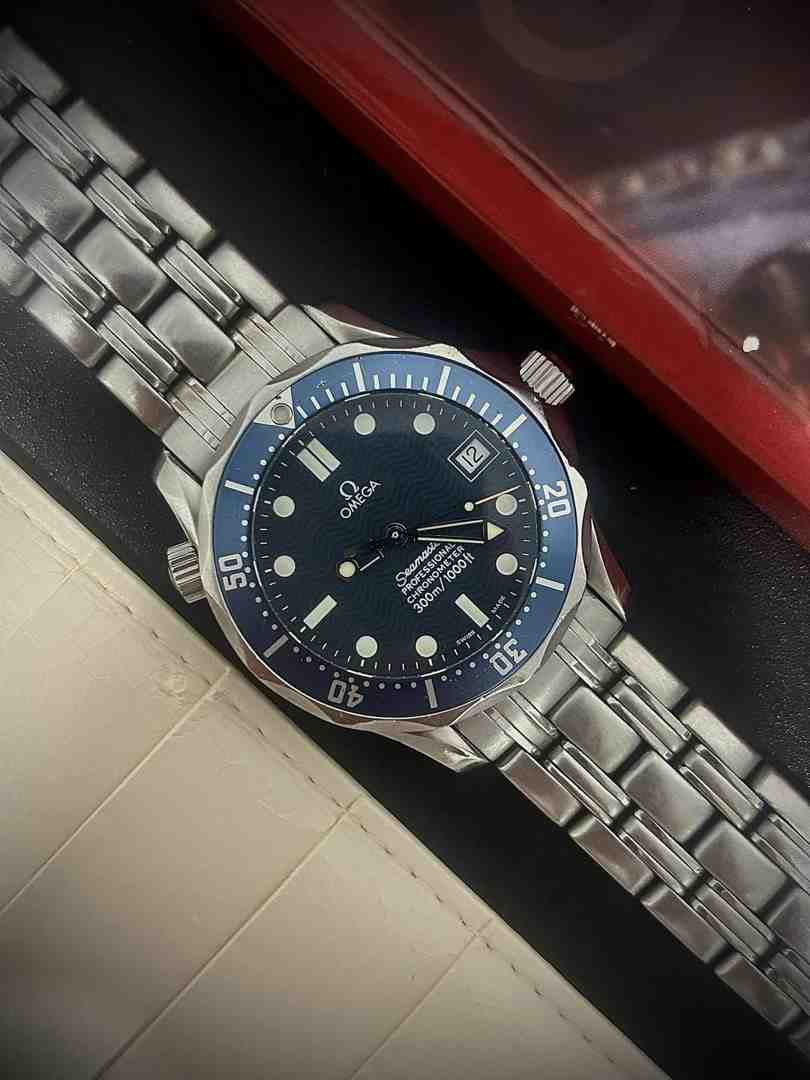
Brands like Omega have built their reputation on these robust specifications. If you are considering a high-performance timepiece, our Omega buying guide provides excellent insights into their most durable models.
How to Choose a Watch for a Man for Every Occasion
The final piece of the puzzle is matching the style to your lifestyle. Most men should aim for a "three-watch collection": a dress watch for formal events, a sports watch for daily wear, and a rugged watch for outdoor activities.
| Watch Style | Best For | Key Features | Recommended Model Example |
|---|---|---|---|
| Dress | Black tie, business formal | Thin case, leather strap, minimal dial | Orient Bambino |
| Dive | Casual wear, swimming | Rotating bezel, high lume, water resistant | Casio MDV-106 'Duro' |
| Field | Outdoor, weekend casual | Rugged, legible Arabic numerals, NATO strap | Timex Weekender |
| Pilot | Travel, technical style | Large dial, oversized crown, GMT function | Breitling Navitimer |
| Racing | Sporty, active | Chronograph, tachymeter scale | TAG Heuer Carrera |
When it comes to maintenance, we generally accept that polishing is fine for modern watches to maintain their lustre. However, we advise against polishing vintage pieces, as collectors prefer the original "patina" and sharp case edges that come with age.
At WristWorks, we specialise in making the process of owning these masterpieces simple. We own 95% of our inventory, meaning when you see a watch on our site, it has been physically handled and vetted by us in Perth. Our primary service is the outright purchase of luxury timepieces, providing sellers with a direct and certain exit for their assets. While we offer consignment as a secondary service for specific pieces, we focus on direct-to-dealer sales because it offers the fastest and most secure way to trade. Our goal is providing immediate value through outright purchases, ensuring you can move on to your next acquisition without delay.
Whether you are looking for your first "good" watch or adding to a growing collection, we invite you to explore our ultimate guide to the best luxury watches or browse our current collection online.
Ready to find your next timepiece? Find your perfect timepiece with our complete guide to buying watches online or contact us today for a valuation on your current watch.
,%20case%20size%20(38-46mm%20based%20on%20wrist%20circumfere...)