The Complete Guide to Investing in Watches
Why Investing in Watches Is Worth Paying Attention To
If you're looking to invest in watches, here's a quick summary of what you need to know:
- Luxury watches are a tangible asset that can hold and grow in value over time
- The strongest performers are from established brands: Rolex, Patek Philippe, and Audemars Piguet
- Key value drivers include rarity, condition, original box and papers, and discontinued status
- Pre-owned watches often offer better returns than buying new from a boutique
- Luxury watches returned over 200% between 2011 and 2021, outperforming stocks, gold, and real estate
- In 2022, when the S&P 500 dropped 19% and Bitcoin fell 65%, luxury watches declined just 8%
- A holding period of 3 to 7 years is typical for meaningful appreciation
- Risks include illiquidity, counterfeits, and models that simply don't hold demand
For most people, a watch is something you wear. But for a growing number of investors, a well-chosen timepiece is something you hold — the same way you might hold gold, fine art, or blue-chip shares.
The numbers back this up. Luxury watches as an asset class returned over 200% between 2011 and 2021, outpacing stocks, property, and precious metals over the same period. During the market volatility of 2022, they proved more resilient than almost every traditional asset. That kind of stability in a turbulent environment gets people's attention.
This doesn't mean every watch is a good investment. Most aren't. The difference between a watch that quietly appreciates and one that depreciates the moment you leave the boutique comes down to brand, model, rarity, condition, and timing. Understanding those variables is what this guide is about.
I'm Brad Purdy, founder of WristWorks, and I've spent years buying, selling, and guiding clients through the Australian pre-owned watch market — which gave me a front-row view of which watches genuinely hold value and which ones don't. This guide draws on that experience to give you a practical, honest framework for how to invest in watches with confidence.
Why You Should Invest in Watches Today
In May 2026, the case for including timepieces in a diversified portfolio is stronger than ever. Unlike digital assets or numbers on a screen, a watch is a tangible asset you can physically hold (and wear). This tangibility provides a psychological and financial safety net. When markets get shaky, investors tend to flock toward "hard" assets with intrinsic value.
The primary driver of the market is the stark imbalance between supply and demand. Top-tier manufacturers like Patek Philippe and Rolex intentionally limit production to maintain exclusivity. For instance, Patek Philippe caps its yearly output at approximately 68,000 units. When you combine this scarcity with a rich brand heritage and global liquidity—meaning you can sell a Rolex as easily in Perth as you can in London or Hong Kong—you have the recipe for a stable investment.
Historically, luxury watches have shown remarkable resilience. According to the luxury watch investment guide, high-end timepieces have occasionally shown up to four times the return of gold. Beyond the raw data, watches serve as an excellent inflation hedge. As the cost of raw materials and skilled labour rises, manufacturers increase their retail prices (MSRPs), which in turn pushes up the value of pre-owned models. For a deeper look at this phenomenon, you can explore our article on do luxury watches hold their value.
Key Factors for a Successful Invest in Watches Strategy
To succeed when you invest in watches, you need to look past the shiny exterior and focus on the fundamentals. Not all "luxury" watches are created equal. In fact, many retail watches lose significant value the moment they are purchased.
| Asset Class | 10-Year Return (2011-2021) | 2022 Performance |
|---|---|---|
| Luxury Watches | +200% | -8% |
| S&P 500 | ~150% | -19% |
| Gold | ~20% | -0.3% |
| Bitcoin | Variable | -65% |
To ensure your timepiece sits on the positive side of that table, consider these factors:
- Condition: This is paramount. For modern watches, we generally find that light polishing is acceptable to maintain aesthetic appeal, but the case should retain its original lines and thickness.
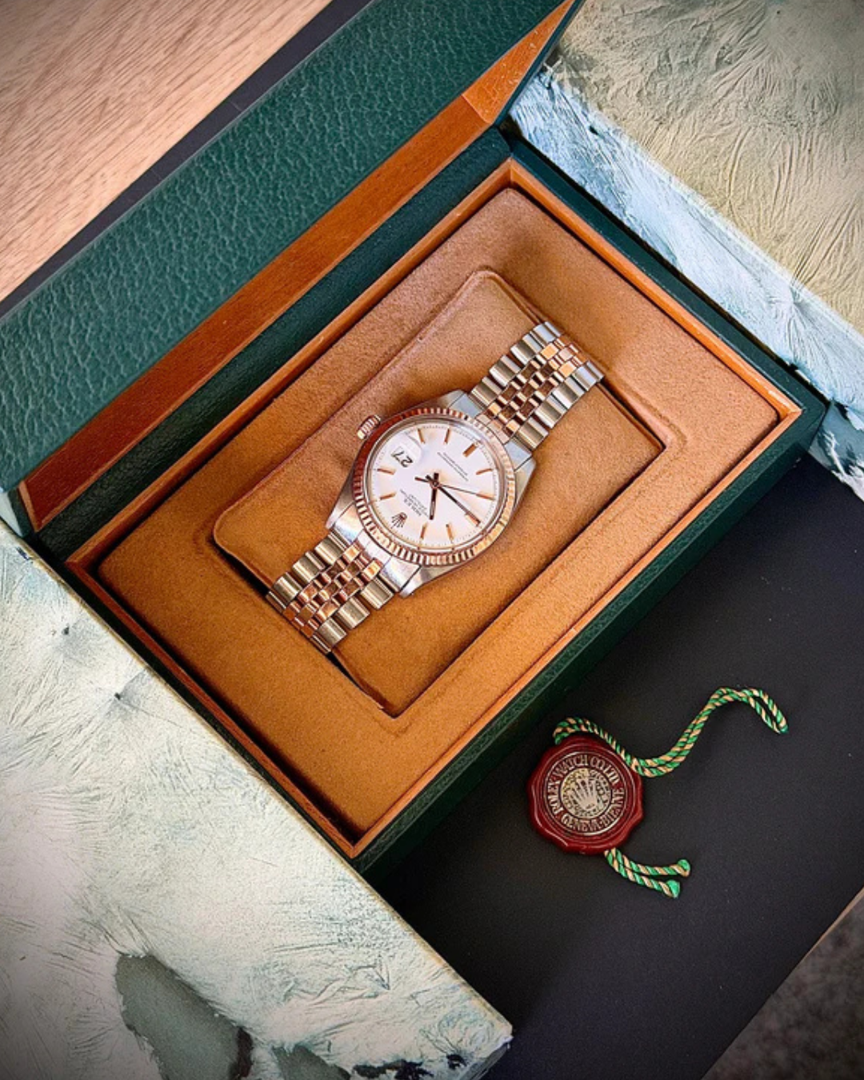
- Full Set (Box and Papers): A "full set" includes the original box, warranty papers, and manual. Having these can command a 10% to 30% premium over a "watch-only" sale because they simplify the process of verifying the watch's history.
- Reference Numbers: In the watch world, small details matter. A specific reference number can be the difference between a standard model and a collector's Holy Grail. You can read more about what defines a good investment watch today to understand these nuances.
- Mechanical Complications: Watches with "complications"—features beyond telling the time, like a chronograph or perpetual calendar—often hold value better due to the sheer skill required to build them.
Top Brands and Models to Invest in Watches
If you are just starting your journey to invest in watches, it is safest to stick with the "Big Three": Rolex, Patek Philippe, and Audemars Piguet. These brands have the strongest historical track records and the highest demand on the secondary market.
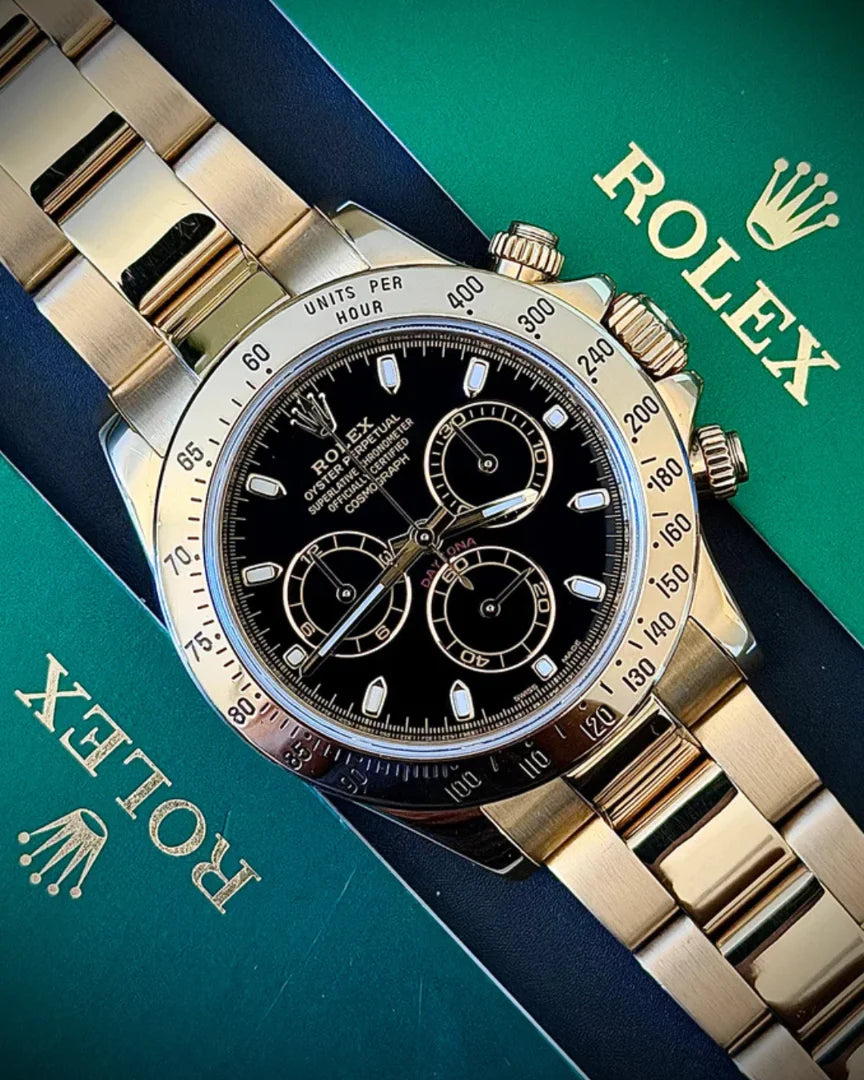
- Rolex: The Submariner and Daytona remain the gold standard for liquidity. The Rolex Daytona, for example, has shown a Compound Annual Growth Rate (CAGR) of roughly 12%, often outperforming the S&P 500 over long horizons.
- Patek Philippe: The Nautilus (specifically the discontinued Ref. 5711) is legendary. While prices saw a peak and subsequent correction recently, it remains one of the most coveted designs in history.
- Audemars Piguet: The Royal Oak, designed by Gerald Genta, defined the luxury steel sports watch category and continues to be a pillar of any serious collection.
Beyond the giants, we are seeing a shift in the new math of luxury watch value. Independent watchmakers like F.P. Journe are gaining massive traction. Because these "indies" produce very few pieces (sometimes fewer than 1,000 a year), their rarity often leads to explosive price growth.

Vintage vs Modern Timepieces
Choosing between vintage and modern watches is one of the biggest decisions an investor faces. Each has a distinct risk-reward profile.
Modern watches offer reliability, improved materials (like ceramic bezels that don't scratch), and the convenience of modern manufacturing. They are often easier to trade because their condition is easier to quantify. If you can secure a popular modern model at retail price, you often gain "instant equity" because the secondary market price is significantly higher.
Vintage watches, on the other hand, are about historical significance and "patina"—the natural ageing of dials and hands. However, vintage investing is a minefield for the unprepared. Unlike modern pieces, we strongly advise against polishing vintage watches, as collectors value original, unmolested cases above all else.
The case for investing in pre-owned watches often bridges this gap. Buying a "neo-vintage" piece (from the 1990s or early 2000s) can offer the charm of an older watch with the robustness of modern engineering.
Vintage Investment Risks:
- Sourcing original parts for repairs can be expensive and difficult.
- High prevalence of "frankenwatches" (pieces made from non-matching parts).
- Values are highly sensitive to even minor condition issues.
How to Build and Manage Your Portfolio
Building a portfolio requires more than just capital; it requires a strategy. We recommend starting with a clear budget and a long-term horizon. While "flipping" watches for a quick 15% profit is possible, the most successful investors view their collection as a 5-to-10-year play.
For beginners, a common entry point is the $10,000 to $15,000 range. This can secure a high-quality Omega Speedmaster or an entry-level Rolex. As you scale, diversification becomes key. Don't just buy three divers; mix in a chronograph or a dress watch from a brand like Cartier to protect against shifts in consumer taste.
Research is your best tool. Use resources like The Watch Investing Guide: How to Build Long-Term Value | Wealthica to track global trends, but always remember that the Australian market has its own local dynamics. For more practical steps on the acquisition phase, see our guide on how to buy watches as investment.
Navigating the Pre-owned Market
The secondary market is where the real action happens for investors. This is because most watches experience their steepest depreciation in the first year after being bought new. By buying pre-owned, you let someone else take that initial hit.
In 2026, the resale boom that turned collectors into investors has matured. Price transparency is better than ever, but so is the need for a reputable dealer. The "grey market"—where new watches are sold outside of authorised channels—can offer access to models with years-long waitlists, but prices will reflect that convenience.
When evaluating luxury watch resale value, look for discontinued models. When a brand stops making a specific reference, the fixed supply usually leads to a price increase as collectors scramble to secure the remaining examples.
Maintenance and Long-term Storage
Preserving the value of your investment is just as important as the initial purchase. A watch that hasn't been serviced or has been stored poorly will struggle to reach its full market potential.
- Servicing: We recommend following manufacturer intervals, typically every 5 to 7 years. Keeping service records is vital for proving the watch has been cared for.
- Storage: Use a humidity-controlled safe. High humidity can cause dials to "fox" or movements to corrode over decades.
- Insurance: Always insure your collection based on replacement value (market value), not the original purchase price.
- Documentation: Keep your receipts, service records, and original papers in a separate, fireproof location.
Conclusion and Next Steps
To invest in watches successfully in Australia, you need a partner who values transparency as much as you do. The market can be opaque, but it doesn't have to be.
At WristWorks, we’ve built our business on the idea that luxury watch trading should be straightforward. We operate as a 100% online operation based in Perth, which allows us to keep our overheads low and focus on providing better value to our clients across Australia.
Unlike many platforms that act merely as a middleman, 95% of the inventory you see at WristWorks is owned by us. This means we have skin in the game—we only buy watches that we believe in. Whether you are looking to buy your first investment piece or want to sell a portion of your collection, we offer a secure, direct-to-dealer model. Selling outright to us is the fastest and most secure way to exit a position, though we also offer consignment for those who aren't in a rush.
Ready to start or grow your portfolio? Explore our luxury watch collection today or contact us for a transparent valuation of your current timepiece. Let’s make your next investment one you can actually wear.