Is a Luxury Watch a Good Investment or Just a Timely Flex?
Is a Luxury Watch a Good Investment in 2026?

Is a luxury watch a good investment? The short answer: it depends on what you buy, when you buy it, and what you expect in return.
Here's a quick overview:
- Certain models from Rolex, Patek Philippe, and Audemars Piguet have delivered strong long-term returns, with some steel sports references appreciating over 100% in a decade.
- Not all luxury watches gain value. Standard dress watches like the Datejust often trade flat or below retail.
- The market peaked in early 2022 and has since corrected significantly. The Rolex Index dropped roughly 19% from its peak, and the Patek Philippe Index fell more than 40%.
- In 2026, pre-owned prices on many key models sit 20-40% below retail, which some analysts consider a rational entry point.
- Watches are illiquid, carry ongoing costs such as servicing, insurance, and storage, and are not income-generating assets.
- For the right buyer with a long-term outlook, select watches can function as a meaningful store of value, but they are not a guaranteed investment.
The luxury watch market has shifted dramatically since its pandemic-era peak. What looked like easy money in 2021 became a hard lesson for buyers who overpaid on hype-driven models. But underneath that volatility, a more stable picture has emerged: well-chosen watches from the right brands, held over five to ten years, have a credible track record of holding and growing in value.
The Australian market, in particular, is still maturing. The second-hand segment here is smaller than in Europe or the US, which creates both opportunity and risk for local buyers.
I'm Brad Purdy, founder of WristWorks, a fully online pre-owned luxury watch dealer based in Australia — and questions around whether is a luxury watch a good investment are ones I navigate with clients every week. In this guide, I'll walk you through exactly what the data shows, where the real risks lie, and how to approach watch investment with clear eyes.
Quick look at is luxury watch a good investment:
Is a Luxury Watch a Good Investment in Today's Market?

To understand the viability of high-end watches as wealth-preservation vehicles today, we must look at the broader market correction that occurred after March 2022. Following a massive surge in 2020 and 2021, the secondary market experienced a necessary cooling period. According to leading watch market indices, prices for top-tier brands experienced notable drawdowns, bringing the market back to a healthier, more rational baseline in 2026.
This correction has actually been a welcome development for serious collectors in Perth and across Western Australia. Rather than paying heavily inflated premiums driven by short-term speculation, we are seeing a return to fundamental value. When we look at whether do luxury watches hold their value over a multi-year horizon, the historical data remains highly encouraging.
As highlighted in recent discussions on how the Australia luxury watch market gains momentum, premium timepieces are increasingly being viewed as legitimate alternative assets. The key is to separate short-term price fluctuations from long-term value retention. By avoiding the peak of the hype cycles, collectors entering the market now can acquire highly desirable models at prices that are far more aligned with their historical averages.
Why a Luxury Watch is a Good Investment: Tangibility and Scarcity
The primary appeal of high-end timepieces as investment vehicles lies in the simple mechanics of supply and demand. Unlike fiat currencies or digital assets, physical watches cannot be printed or replicated at will. Prestigious manufacturers deliberately limit their annual production runs to maintain exclusivity and preserve brand equity.
When we evaluate what defines a good investment watch today, scarcity is always at the top of the list. For example, while a brand like Rolex produces roughly one million watches per year, the global demand for their iconic steel sports models far outstrips this supply. This imbalance is even more pronounced for manufacturers like Patek Philippe, which produces only around 70,000 pieces annually.
Furthermore, the rise of the secondary market has fundamentally changed how collectors interact with these assets. As explored in our analysis of the resale boom that turned collectors into investors, a luxury watch is no longer just a personal indulgence. It is a tangible, highly portable asset that can be enjoyed on the wrist while quietly preserving capital.
The Risks: When is a Luxury Watch a Good Investment (and When is it Not?)
While the upside of watch collecting is highly publicised, we must also address the inherent risks. Not every high-end timepiece will appreciate, or even hold its purchase price. Many entry-level luxury pieces and highly decorated dress watches experience immediate depreciation the moment they leave the store, much like a new car.
Understanding the new math of luxury watch value requires looking past brand names and focusing on specific references. If you purchase a watch purely because of temporary social media hype, you risk catching the tail end of a bubble. When the hype fades, secondary market prices can contract rapidly.
According to a detailed review of the pros and cons of investing in high-end watches, the lack of immediate liquidity is a significant factor that many new buyers overlook. Unlike stocks, you cannot liquidate a watch collection at the click of a button without potentially accepting a substantial discount. There are also transaction fees, shipping costs, and the risk of physical damage or loss to consider.
Comparing Timepieces to Gold, Real Estate, and Fine Art
To decide if a luxury watch a good investment for your portfolio, it is helpful to compare them to other popular alternative and traditional assets.
| Asset Class | Liquidity | Volatility | Entry Cost | 10-Year Outlook |
|---|---|---|---|---|
| Luxury Watches | Moderate | Moderate to High | Moderate | Strong for select references |
| Physical Gold | High | Low to Moderate | Low | Stable safe-haven |
| Real Estate | Low | Low | Very High | Long-term appreciation |
| Fine Art | Low | High | High | Highly subjective |
While gold has climbed by more than 35% over the past 12 months, providing an excellent hedge against inflation, it lacks the personal enjoyment and utility of a wearable asset. Fine art has also shown incredible resilience, with art investments appreciating by roughly 50% since 2019—the most of all alternative assets—while watches experienced a 44% rise in the same period.
However, watches occupy a unique middle ground. They offer far greater portability than fine art or real estate, combined with a highly active global secondary market. As noted in reports on how timeless luxury investments are giving strong returns, watches have become one of the most popular ways to diversify a wealth portfolio while enjoying a masterpiece of micro-engineering.
Navigating Your Investment Journey: A Step-by-Step Strategy
Successful watch investing requires a structured, disciplined approach. It is not about buying random pieces and hoping for the best; it is about building a balanced collection based on historical performance, brand strength, and careful physical preservation.
To help you get started, we have outlined a practical strategy based on our luxury watch investment guide and our updated luxury watches investment guide 2026.
Step 1: Selecting the Right Brands and Models
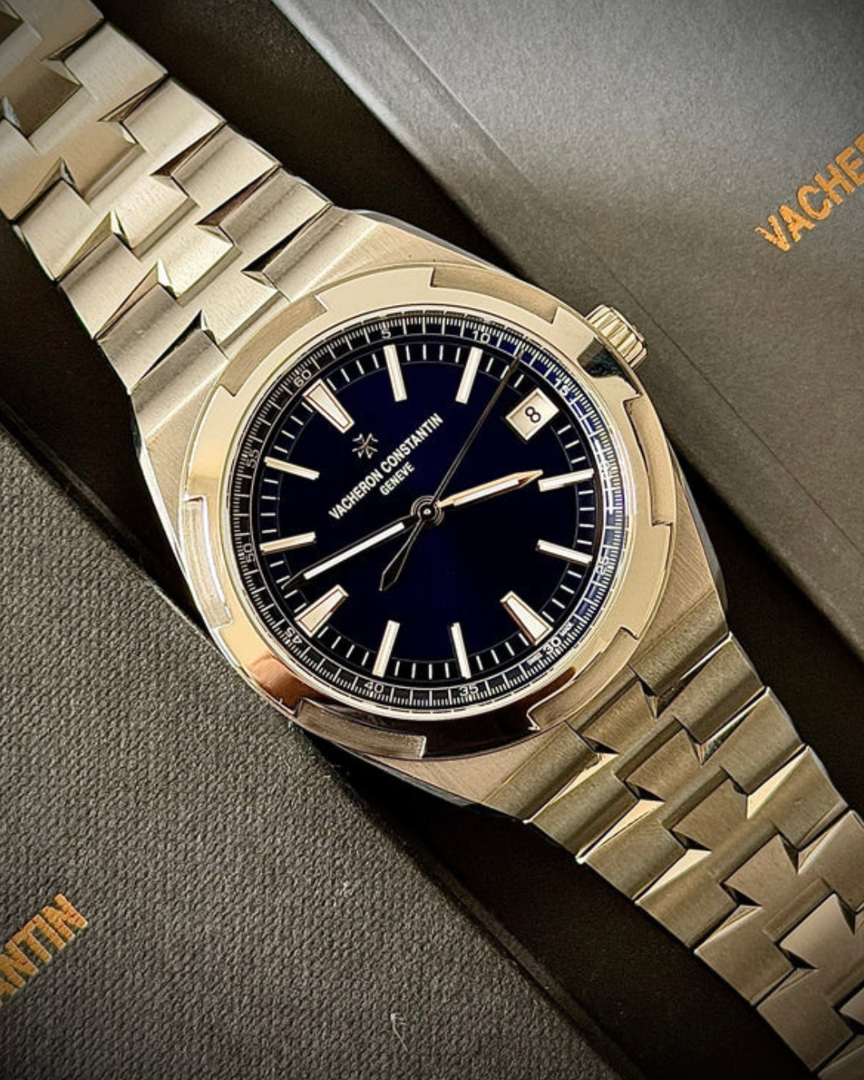
The brand hierarchy is the single most important factor in value retention. Historically, the "Holy Trinity" of Swiss watchmaking—Patek Philippe, Audemars Piguet, and Vacheron Constantin—alongside Rolex, have dominated the investment landscape.
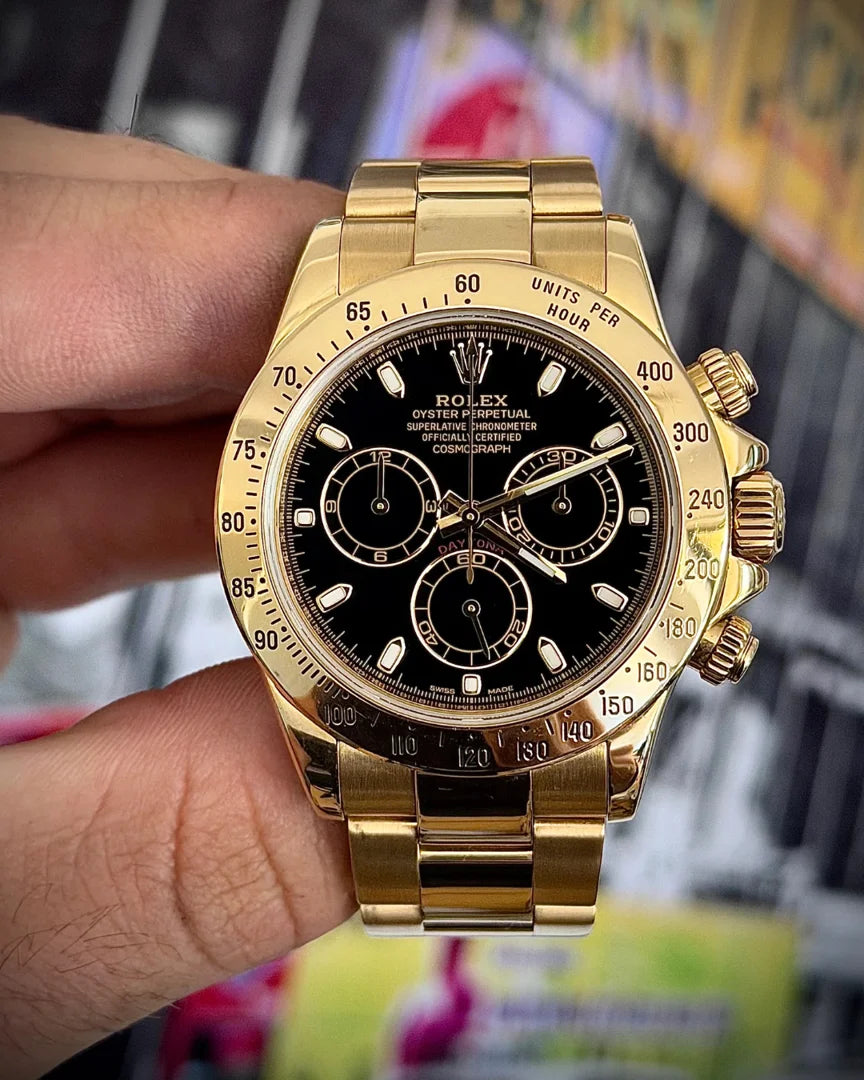
If you are looking to invest in Rolex, we highly recommend focusing on stainless steel sports models. References like the Submariner, GMT-Master II, and the Cosmograph Daytona have historically shown the most consistent secondary market premiums due to structural scarcity.
For those looking at the current market landscape, there are compelling reasons why 2026 is the time to buy luxury watches. With precious metal costs rising and secondary market prices stabilising, buying pre-owned platinum or gold models from Patek Philippe or Rolex represents an excellent opportunity before retail prices inevitably adjust upward to reflect material costs.
Step 2: Assessing Condition, Provenance, and Ownership Costs
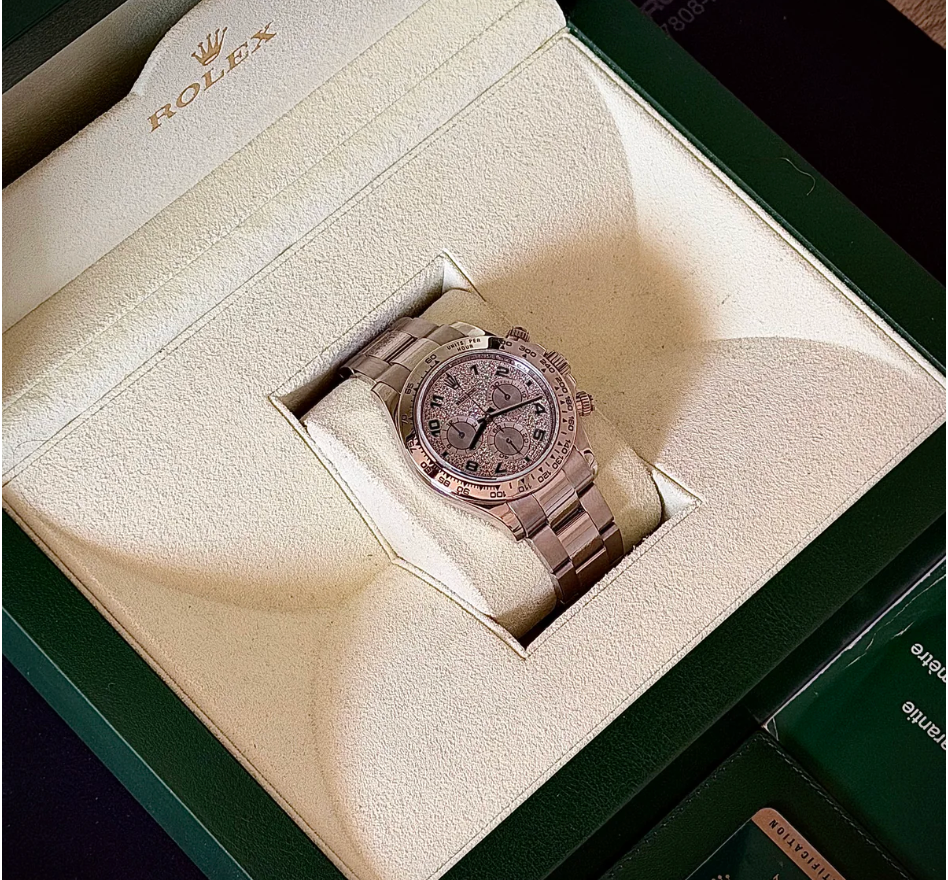
When purchasing a watch with an eye on future resale, the details matter immensely. A complete "full set"—which includes the original presentation box, hangtags, and original paperwork—can add 10% to 20% to the overall value of the timepiece.
Condition is equally critical. For modern watches, occasional professional polishing is perfectly acceptable to keep the piece looking pristine. However, for vintage watches, polishing should generally be avoided. Collectors heavily favour original, unpolished cases, even if they show minor scratches, because polishing alters the original bevels and metal thickness, which can severely harm the luxury watch resale value.
Additionally, you must factor in the ongoing costs of ownership. High-end mechanical movements require professional servicing every five to ten years to maintain their performance, which can cost anywhere from hundreds to thousands of dollars depending on the complexity of the movement. Secure, climate-controlled storage and specialised insurance are also essential to protect your assets from damage or theft.
Step 3: Choosing the Safest Acquisition and Exit Pathways
The final step is determining how you buy and sell your timepieces. While peer-to-peer online platforms exist, they carry significant risks of fraud, payment disputes, and dealing with modified parts.
For a secure and seamless experience, we always recommend dealing directly with an established specialist. Selling directly to a dealer via an outright sale is the fastest and most secure method to exit a position, bypassing the weeks of waiting and negotiating that come with private sales.
At WristWorks, we specialise in outright purchasing as our primary service, offering collectors a direct, efficient, and straightforward way to sell their timepieces. Because we focus on buying watches outright, approximately 95% of our inventory is owned directly by us, ensuring we have complete control over the quality and description of every piece we offer. For clients looking for alternative options, we also offer a secure consignment service as a secondary pathway, where we hold the timepiece in our secure facility and handle the transaction from start to finish.
If you are ready to start or expand your collection, we invite you to read more about the case for investing in pre-owned watches to understand how buying pre-owned allows you to bypass initial retail depreciation.
To view our current hand-selected inventory, you can explore our curated collection of luxury watches or contact us directly to discuss how we can help you secure your next legacy timepiece.