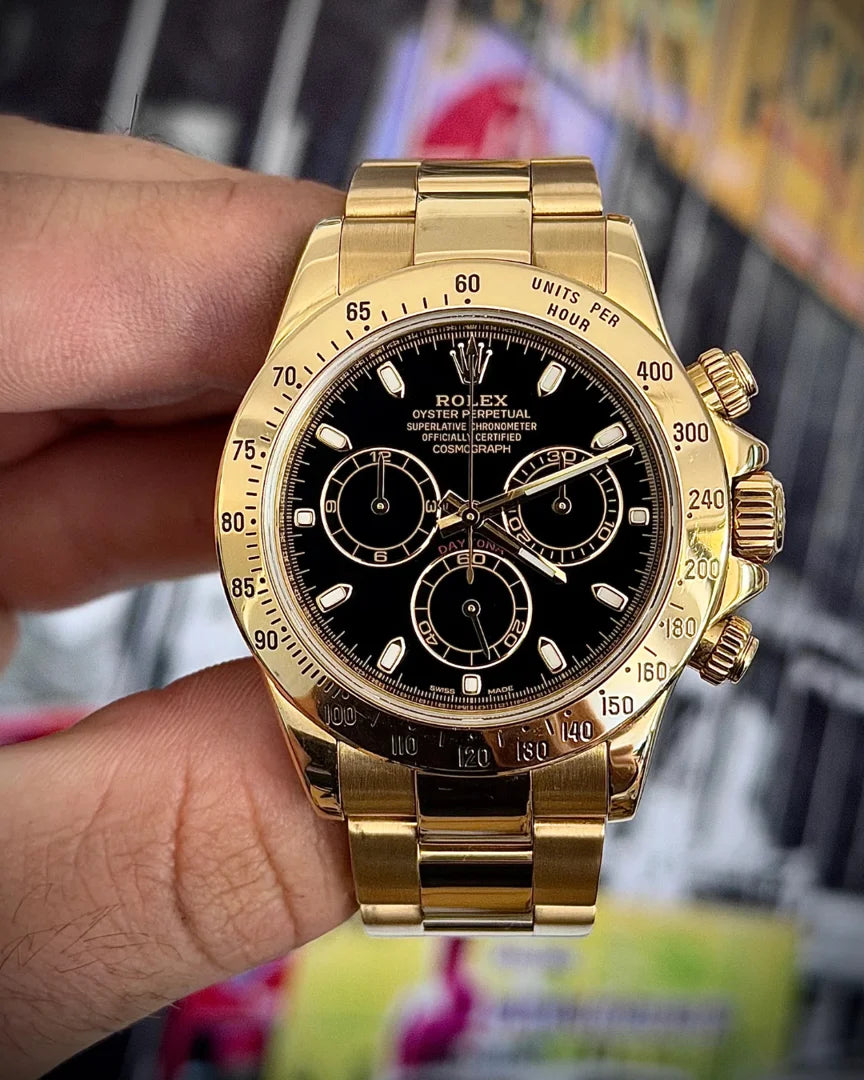
Article: How to Find Trusted Pre-Owned Watch Sellers in Sydney
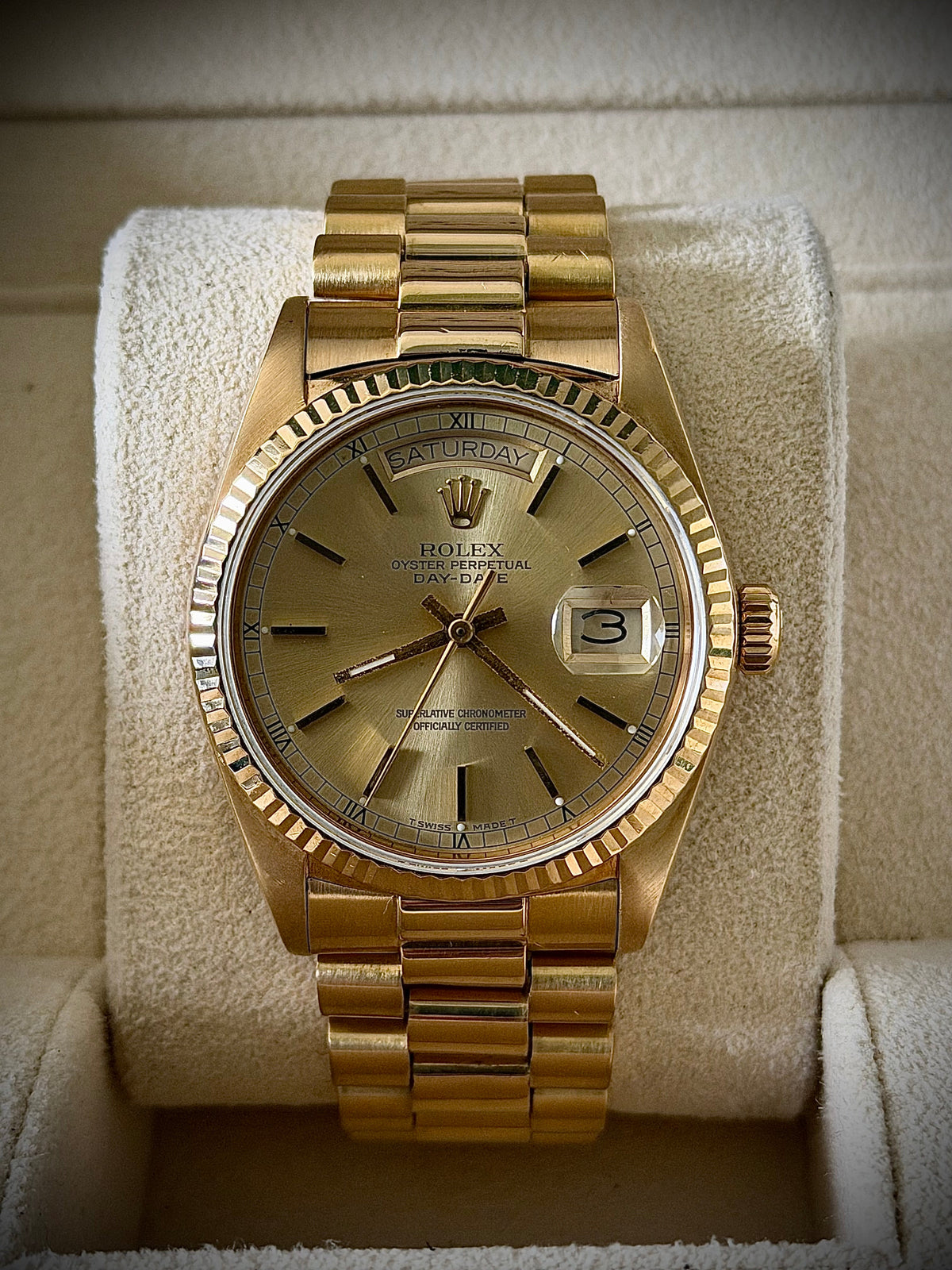
How to Find Trusted Pre-Owned Watch Sellers in Sydney
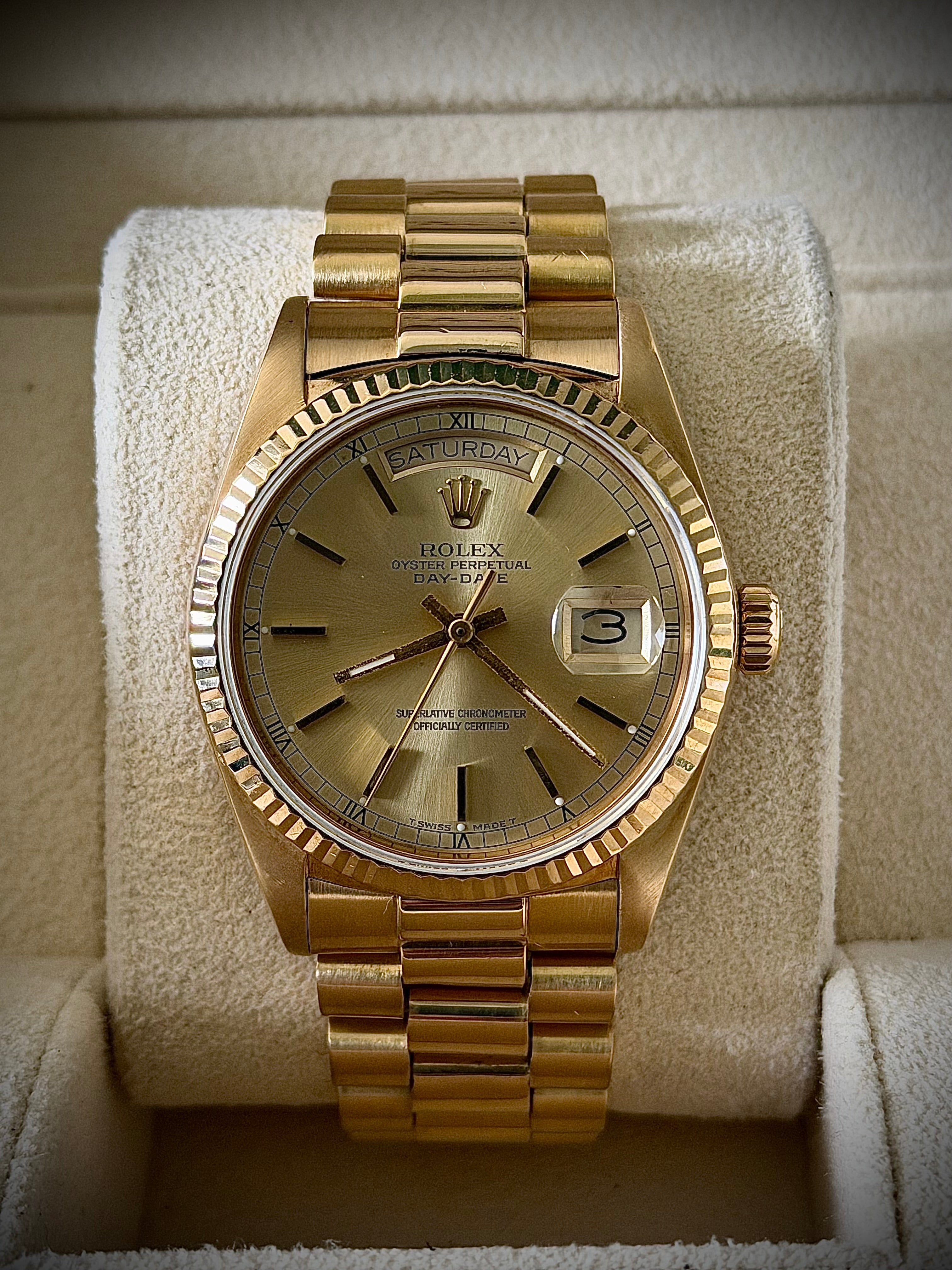
If you are buying or selling a pre-owned watch in Sydney, prioritise a dealer that can explain the watch’s condition, history, inspection process, and transaction steps clearly before you commit.
Key Takeaways
- A direct-to-dealer, outright sale gives Sydney owners a clear process, with the watch assessed after physical receipt and payment managed directly once checks are complete.
- For a purchase, ask for detailed photographs, identifying details, condition notes, service records where available, and an explanation of any replaced parts.
- Be cautious of vague listings, stock photos, rushed communication, or requests to proceed before essential details have been confirmed.
- Modern watches may be lightly polished to restore their factory finish, while vintage watches are generally better left with their original case lines intact.
- Browse the available Pre-Owned Watch Collection only after you understand the information that should accompany the piece.
Finding a Trusted Seller of Pre-Owned Watches in Sydney
Sydney collectors have access to a broad national market, so the right seller does not need to be located in a CBD shopfront. What matters is whether the dealer has clear control of its stock, gives you direct answers about the watch, and can arrange secure insured delivery across Australia.
WristWorks is an online-first Australian dealer based in Perth, Western Australia, working with Sydney clients through direct communication and insured domestic courier logistics. This approach can make it easier to compare suitable watches without limiting your search to one suburb or one local display cabinet.
When you are considering a seller, start with the basics. A reliable listing should identify the watch accurately, describe its condition in plain language, and make it easy to ask follow-up questions. You should be able to understand what is included, whether there is a documented service history, and how the seller has assessed the case, bracelet, dial, hands, and movement.
For sellers, an outright direct-to-dealer route is usually the most straightforward option. Rather than arranging viewings with unknown buyers or managing an open listing, you send the watch for assessment, receive a definite offer after physical verification, and deal with one Australian business throughout the process. This reduces the uncertainty that can come with private handovers, unverified descriptions, and ongoing negotiation.
WristWorks is built around transparent watch trading. Brad Purdy founded the business after working in mechanical and sales roles while studying finance, with a focus on careful evaluation and direct communication for collectors throughout Australia.
What to Check Before You Buy or Sell
A pre-owned watch should be assessed as a complete object, not just a familiar name or an attractive photograph. The most useful questions concern identification, condition, mechanical performance, and supporting documentation. If a seller cannot answer those questions clearly, it is sensible to pause before proceeding.
Identification and Condition
Begin with the watch’s identifying details and any serial information that is appropriate to share. These details should align with the watch, its paperwork, and the period in which it was produced. High-resolution images should show the case, dial, bracelet, clasp, caseback, and any areas where wear is likely to appear.
Case condition deserves particular attention. On a modern watch, light polishing performed to factory specification can be acceptable where it has preserved the intended shape and finish. With a vintage piece, collectors generally favour original edges, bevels, and surface character, so extensive polishing can reduce its appeal. A good dealer should explain this distinction rather than applying one standard to every watch.
The movement also needs proper assessment. Timing-machine readings can reveal the daily rate, beat error, and balance amplitude, while pressure testing helps confirm whether the case seals remain suitable for the watch’s stated water-resistance expectations. These checks do not replace sensible ownership habits, but they give you a clearer picture of how the watch is performing at the time it is assessed.
Provenance and Components
Original purchase documents, service records, presentation boxes, and period-correct components can all help build a more complete history. Their presence will vary from watch to watch, particularly with older pieces, so the important point is accurate disclosure rather than a one-size-fits-all expectation.
Ask whether the dial, hands, bezel insert, bracelet, and clasp appear consistent with the watch’s model and production period. Replaced parts are not automatically a concern, especially where they were fitted during documented servicing, but they should be identified openly. The same applies to refinished dials, replaced bracelets, or aftermarket additions.
For broader context on mechanical watch demand, the Federation of the Swiss Watch Industry Market Statistics provide an authoritative view of the international sector. Use market information as background, not as a substitute for inspecting the specific watch in front of you.
Consumer Protections in Australia
When you buy from an Australian business, the transaction sits within a local legal framework. The Australian Consumer Law Consumer Rights and Guarantees explain that goods must be of acceptable quality, match their description, and be fit for purpose.
That makes accurate listings and documented communication especially important. Keep copies of the condition report, invoices, correspondence, and any service information supplied with the watch. Before sending a watch for sale or trade, confirm the shipping instructions, insurance arrangements, assessment process, and what happens if the final inspection identifies a material difference from the initial description.
Private marketplaces can appear simple, but they often leave both parties to manage security, payment disputes, condition disagreements, and personal handovers alone. By comparison, a professional dealer should set out the process in advance and remain responsible for the transaction from receipt through to completion.
Choosing the Right Route for Your Watch
The best option depends on whether you are purchasing, selling, or trading. In each case, clarity is more valuable than a rushed decision. Focus on the seller’s process, the information supplied, and whether the arrangement gives you a practical way to verify each important detail.
Buying Through a Dealer
For buyers, a dealer with direct stock control can provide more consistent information than a listing platform that simply connects private parties. At WristWorks, most inventory is owned directly by the business. Any consigned pieces are held by WristWorks during the process, and payments are managed directly. Consignment is available only as a secondary option for selected rare watches, rather than being the centre of the business model.
This stock control means the watch can be physically inspected before it is offered. When viewing a piece online, use the description as a starting point and ask for clarification where needed. A conversation about wear, service history, accuracy, included items, or delivery is a normal part of buying a high-value watch.
If you have a specific model in mind, avoid treating all versions as interchangeable. Details such as the model, production period, dial configuration, bracelet type, and prior servicing can materially affect what you are buying. Watches from the same collection can have different specifications and collector considerations, so compare like with like before reaching a decision.
Selling or Trading Directly to a Dealer
For a Sydney owner, an outright sale to a dealer is the primary route to consider when security and a defined process matter most. You provide clear photographs and the available details, then the watch is assessed after physical receipt. The dealer can make a final offer based on the condition and components actually present, rather than relying on assumptions from an online listing.
This is different from placing the watch on a private marketplace, where you may need to manage advertising, enquiries, negotiations, viewings, and the risk of dealing with unknown parties. Direct-to-dealer selling keeps the process with one business and lets you focus on providing an accurate description from the outset.
A trade can also be useful if you are moving from one watch to another. Be clear about the condition of your existing watch and the features you want in the next one. A structured discussion helps avoid comparing incomplete information or making decisions based only on headline descriptions.
Next Steps for Buying or Selling a Pre-Owned Watch
Whether you are looking for a particular pre-owned watch or considering an outright sale, begin by gathering the details that matter: model information, condition, history, images, and supporting documents. A measured approach helps you compare options with confidence and keeps the discussion focused on the actual watch.
If you would like to discuss a watch you own or ask about an available piece, use the Watch Enquiry Form. WristWorks can outline the next practical step for Sydney clients and collectors across Australia.