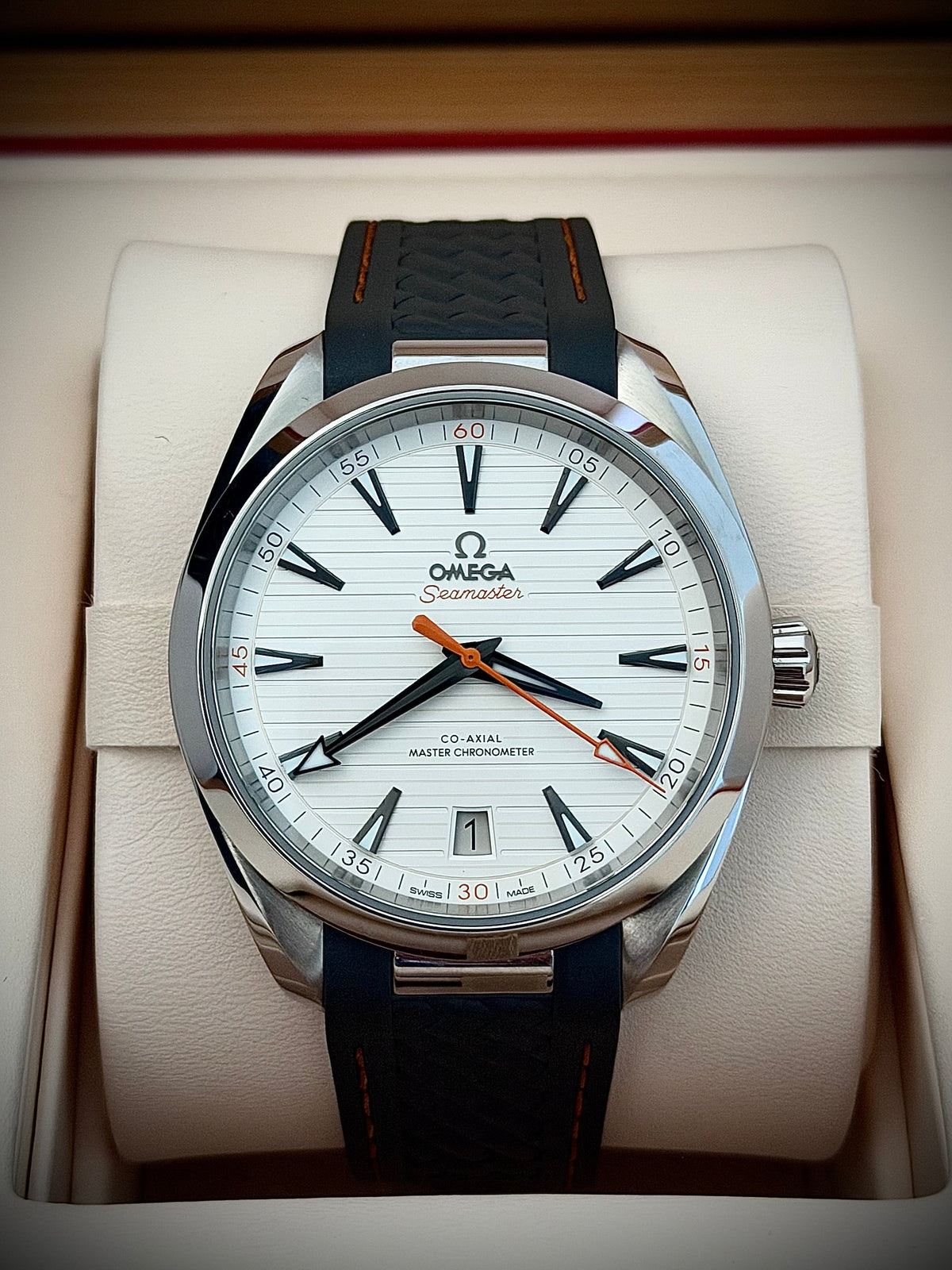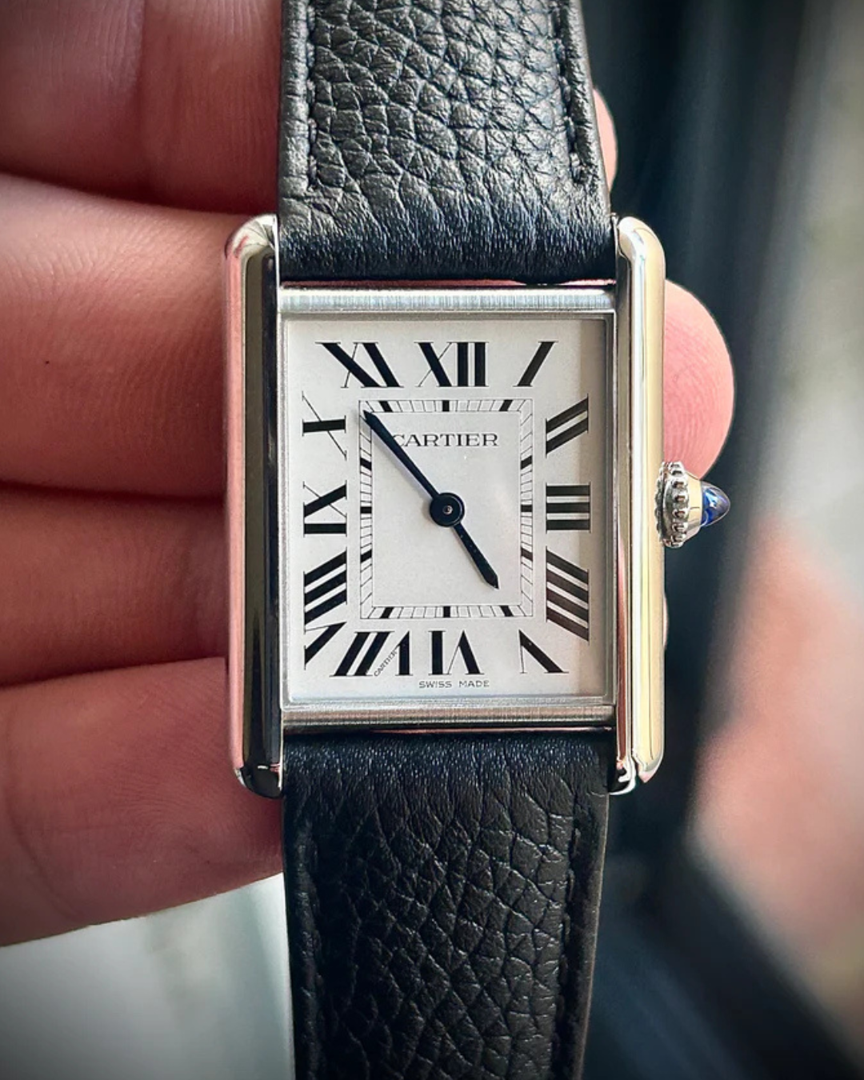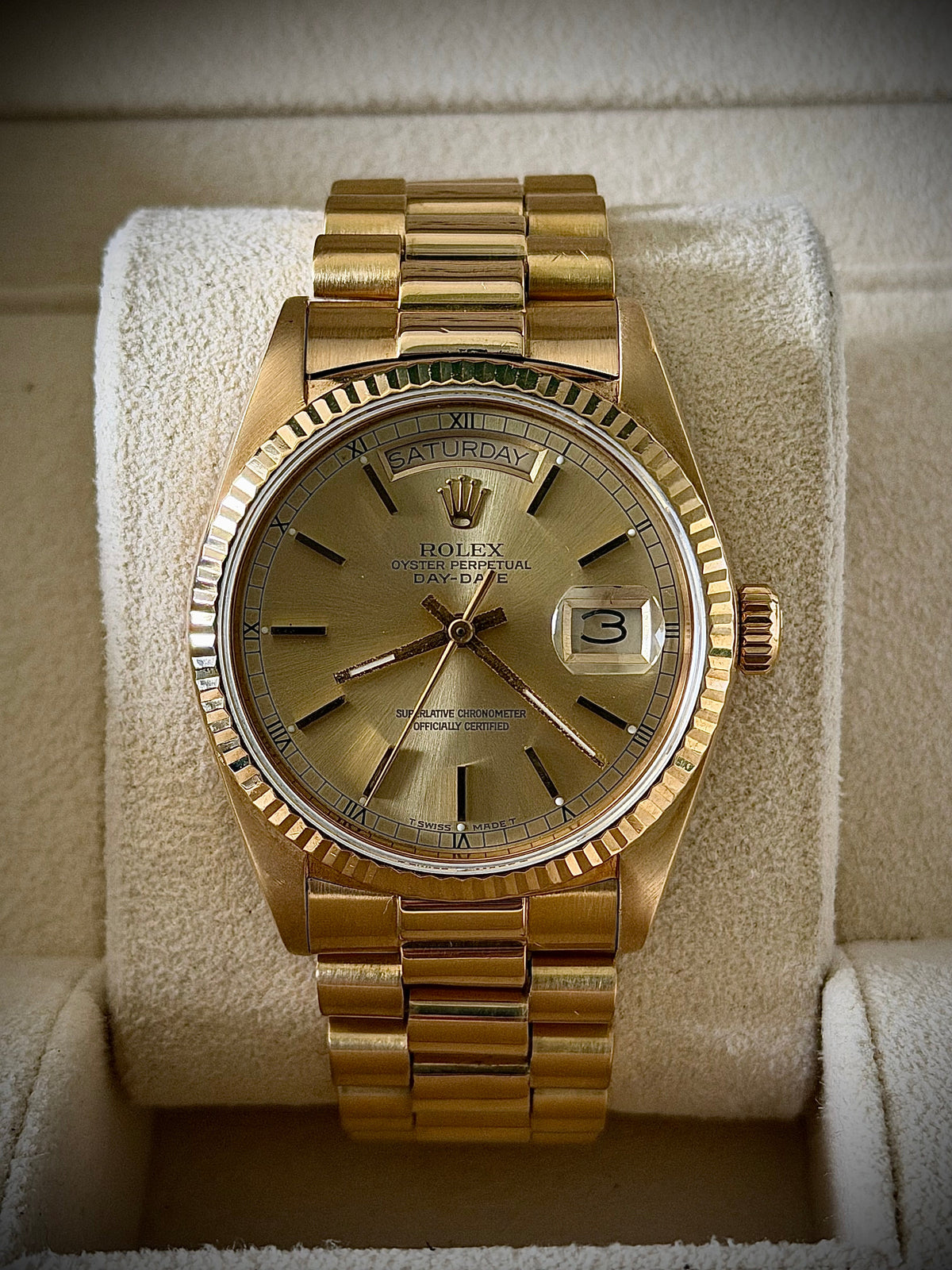
The Perth Guide to Selling Your Luxury Watch for Top Value
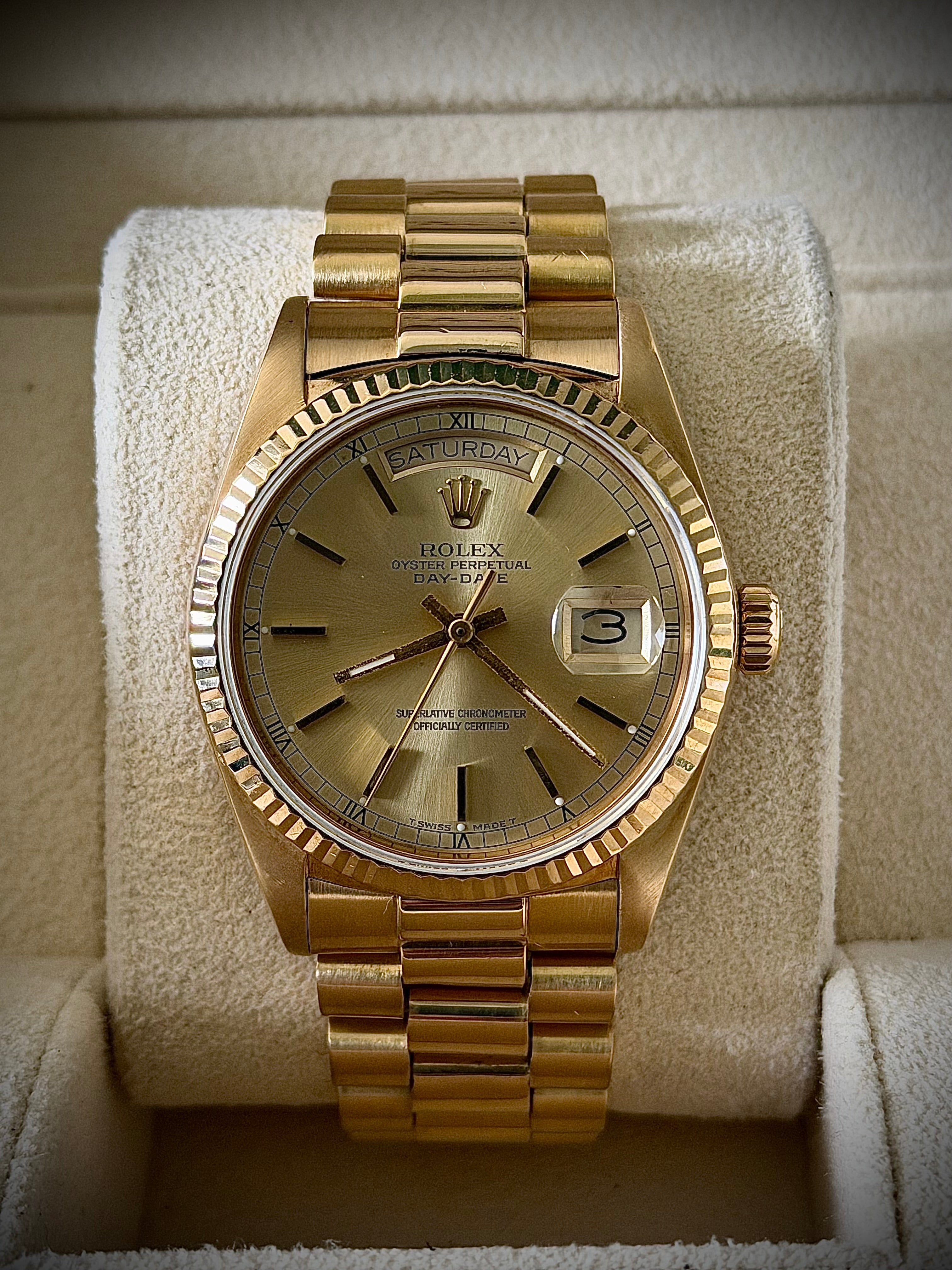
Selling a luxury watch in Perth can be straightforward when you prepare the right information, understand what affects a valuation, and choose a secure selling route. If you want to sell a watch in Perth, WA, an outright direct-to-dealer sale gives you a clear process without managing public listings or meeting unknown buyers.
Key Takeaways
- Gather the box, papers, service records, spare links, and clear photos before requesting a valuation.
- An outright direct-to-dealer sale is the recommended route when you want a secure, structured transaction.
- Original components, condition, reference details, and current market demand all affect the final assessment.
- Private listings can involve more administration and uncertainty, so consider the practical risks before choosing that path.
- Review the steps to Sell Your Watch Directly to a Dealer before submitting your details.
How to Sell a Watch in Perth, WA
Start by Preparing the Watch and Its Records
The more complete your information is, the easier it is for a buyer to assess the watch accurately. Before you make contact, put together everything that came with the piece and note anything that may affect its condition or history.
This usually includes the original presentation box, papers, purchase documentation, service records, spare bracelet links, manuals, and any original accessories. These items help establish a clearer picture of the watch and can reduce follow-up questions during the valuation process. If you no longer have every item, it is still worth proceeding. Be open about what is included so the assessment is based on the full situation.
Clear photographs also make a difference. Take images in natural light or a well-lit room, showing the dial, case sides, caseback, bracelet, clasp, and any areas with wear. A close photo of the reference and serial details, where appropriate, can also help. Avoid heavy filters or editing, as accurate images make the initial discussion more useful.
Condition needs context, especially when the watch is older. Light cosmetic polishing can be suitable for a modern watch when it is handled carefully. For a vintage watch, polishing is generally best avoided because collectors often value original case lines, bevels, dial ageing, and other period details. If the watch has been serviced or refinished, include those records and mention the work clearly.
Understand What a Dealer Will Consider
A professional valuation is more than a quick glance at the brand name. The exact reference, configuration, overall condition, mechanical performance, completeness, and market demand all contribute to the assessment.
The reference number is particularly important because small differences in dial, bezel, bracelet, metal, or production period can change buyer interest. For example, an Omega Seamaster 166.002 should be identified by its correct reference rather than being described only as an older Seamaster. This level of detail helps keep comparisons relevant and avoids assumptions.
A dealer will also look at whether visible components appear consistent with the watch's production period and specification. Signs of wear, stretched bracelets, water damage, replacement parts, and unclear service history may need further review. That does not automatically prevent a sale. It simply means the buyer needs enough information to make a fair, well-supported assessment.
For gold and platinum watches, metal content may be part of the wider assessment, while collectability and condition still matter. Mechanical checks may also be required to review timekeeping, movement condition, and general operation. The aim is to understand the individual watch rather than apply one broad figure to every model.
For a fuller overview of the information buyers use, read How to Sell Your Luxury Watch Without the Guesswork.
Compare Selling Options With Security in Mind
Why an Outright Direct-to-Dealer Sale Comes First
For most owners, an outright direct-to-dealer sale is the most practical option. You provide the watch and supporting details, receive an assessment, and decide whether the offer suits your circumstances. If you accept, the transaction is completed through an established process with documented steps and electronic settlement.
This approach is designed to minimise the time and effort involved in advertising, screening enquiries, arranging viewings, and negotiating with several strangers. It also reduces the need to hand a high-value item to someone you have not previously dealt with. This direct-to-dealer approach is the primary option for sellers who value a clear process and secure handling.
A trade-in can also suit you if you are changing your collection rather than simply selling. In that case, the agreed value of your current watch is applied towards another piece. You can explore the process on the Watch Trade-In Page.
Consignment remains an optional secondary service for select watches where that route is appropriate. It is not the usual starting point for sellers who want a direct outcome. WristWorks owns 95% of its inventory directly, while consigned pieces are held securely by the business and payments are handled directly.
Be Careful With Private Listings
Private marketplaces may appear flexible, but they can create extra work and risk. Sellers may need to manage messages, requests for extra photos, inspections, no-shows, disputed transfers, and in-person meetings. Public listings can also expose details about a valuable item and your location.
If you compare this option with an outright dealer sale, look beyond the initial conversation. Consider whether the buyer is known, how the transaction will be documented, where an inspection will take place, and when possession should change hands. Never rely on a screenshot or a verbal assurance that funds have been sent. Confirm that the transfer has cleared through your own bank before releasing the watch.
If you need to send a watch from outside central Perth, use insured, trackable delivery with a signature requirement. Photograph the watch and its packaging before dispatch, keep the lodgement receipt, and record the tracking details. These steps support a clearer handover if questions arise later.
Know the Western Australian Requirements
Second-hand dealing in Western Australia is regulated, and a legitimate transaction involves identity and ownership checks. A dealer may ask for government-issued photo identification, proof of address, and supporting information about how you obtained the watch. This is a normal part of a documented process, not an inconvenience to work around.
You can review the relevant framework in the Pawnbrokers and Second-hand Dealers Regulations 1996. Keep your documents ready and make sure the details you provide are consistent. A transparent record helps both parties proceed with confidence.
Make the Final Decision With Clear Information
Once you have an assessment, take time to compare the proposed process with your priorities. If convenience, security, and a defined path matter most, an outright sale to a dealer is generally the best fit. If you are trading into another watch, ask how the trade-in will be handled. Consignment may be considered in limited situations, but it remains a secondary option rather than the default choice.
Before finalising anything, confirm what you are providing, what documentation will be recorded, how the watch will be inspected, and how the settlement process will work. Keep copies of relevant correspondence and records for your own files. A careful final review helps avoid misunderstandings and keeps the sale organised.
Choosing the Right Next Step for Your Watch
Selling a luxury watch does not need to involve complicated public listings or uncertain meetups. By preparing your records, presenting the watch clearly, and choosing an outright direct-to-dealer process, you can move forward with a practical and secure plan.
Before you submit an enquiry, make a short checklist of the watch details you can confirm. Include the brand, reference number, approximate age, service history, accessories, and any noticeable marks or changes. It is also helpful to decide whether you are looking for an outright sale or a trade-in, as this makes the first conversation more focused. Keep the watch, documents, and photos together until the assessment is complete so you can answer follow-up questions without searching for information later.
When you are ready, submit your watch details through the WristWorks Valuation Enquiry to begin the assessment process.