Secondhand Savvy: How to Score the Best Pre-Owned Timepiece
Why Buying Used Watches Makes More Sense Than Ever

Buying used watches is one of the smartest ways to own a quality timepiece, but only if you know what to look for.
Here is a quick overview of what you need to know:
- Pre-owned luxury watches typically cost 20-40% less than buying new
- The global pre-owned watch market was valued at around $19.8 billion in 2023 and is growing steadily
- Key things to check: case condition, dial originality, bracelet wear, service history, and serial numbers
- Buy from established dealers where possible, especially as a first-time buyer
- Box and papers add value but are not a substitute for physical inspection
- Factor in potential service costs when budgeting for your purchase
The pre-owned watch market has never been more active. Major brands including Rolex, Audemars Piguet, and Breitling have launched their own certified pre-owned programmes, which signals just how mainstream and legitimate secondary market trading has become. For buyers in Australia, that means more choice, more transparency, and more opportunity to find the right watch at a fair price — without the retail markup or the waitlist.
But the market also has real risks. Counterfeits, misrepresented conditions, and watches assembled from mismatched parts are genuine concerns. Knowing how to navigate them is what separates a confident purchase from an expensive mistake.
I'm Brad Purdy, founder of WristWorks, and before building one of Australia's most transparent pre-owned watch businesses, I spent years in mechanical and sales roles that taught me exactly how trust gets built — and broken — in high-value transactions. That background, combined with experience buying and selling used watches across Australia and internationally, shapes everything in this guide.
Buying used watches glossary:
The Ultimate Guide to Buying Used Watches
Navigating the secondary market requires a shift in mindset. When we buy a new timepiece from a boutique, we pay a premium for the retail experience and the security of a factory-fresh product. However, as highlighted in McKinsey & Company's report on the luxury watch market, the secondary market has evolved into a highly sophisticated ecosystem where smart buyers can find exceptional value.
The primary advantage of choosing pre-owned is avoiding the steep initial depreciation that affects most luxury items. The moment a new watch leaves the boutique, its market value typically drops. By looking at the secondary market, we let the first owner absorb that initial loss. This allows us to access higher-end models or discontinued classics that are no longer available in retail stores.
For a complete overview of how this market operates, you can read our Pre-Owned Luxury Watches Complete Guide. Whether you are looking for a daily wearer or a rare piece to complete a collection, understanding the secondary market is the first step toward making a successful purchase. You can also browse regional platforms and aggregators to see how global supply and demand influence local pricing.
Understanding Vintage, Neo-Vintage, and Modern Models
When we begin our search, we quickly encounter terms like "vintage," "neo-vintage," and "modern." Understanding these eras is essential because they dictate how a watch should look, how it should be cared for, and how easy it will be to source replacement parts.
- Vintage (Pre-1990s): These pieces are defined by their historical character and mechanical charm. They often feature acrylic crystals (Plexiglass) and tritium luminous material on the dial. Tritium naturally degrades over time, often turning a warm cream or amber colour. While highly collectible, vintage pieces require careful handling, are rarely water-resistant, and may require specialised watchmakers to source rare components.
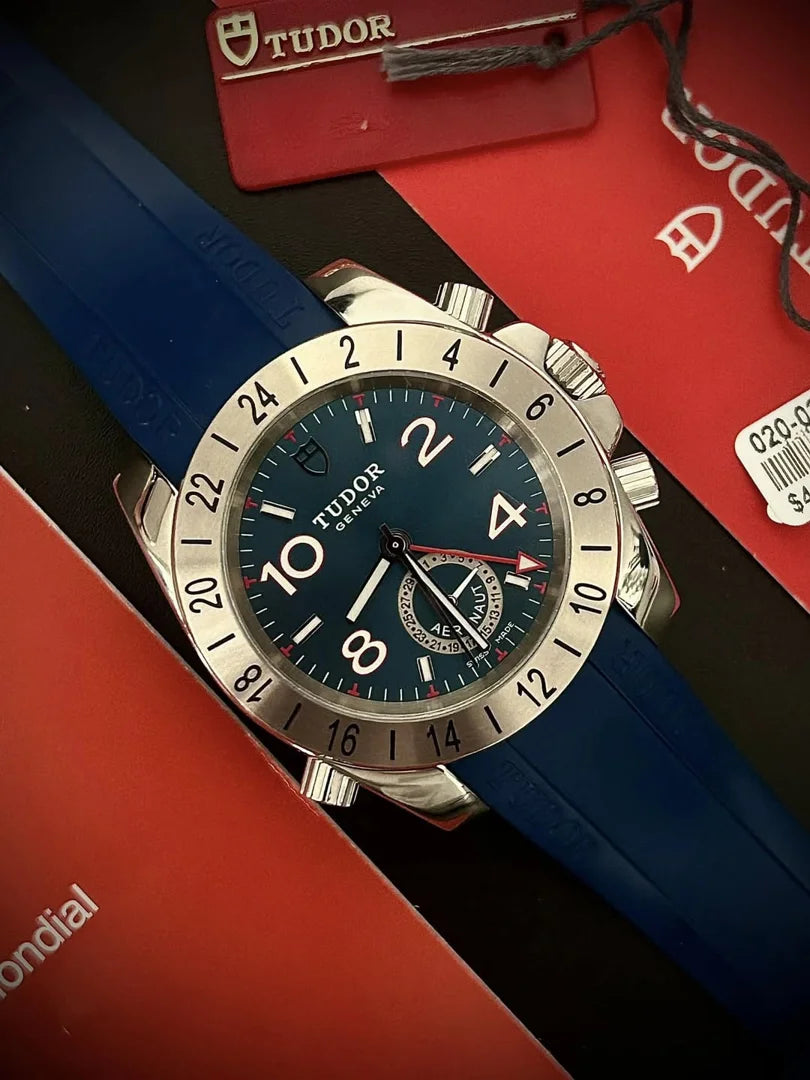
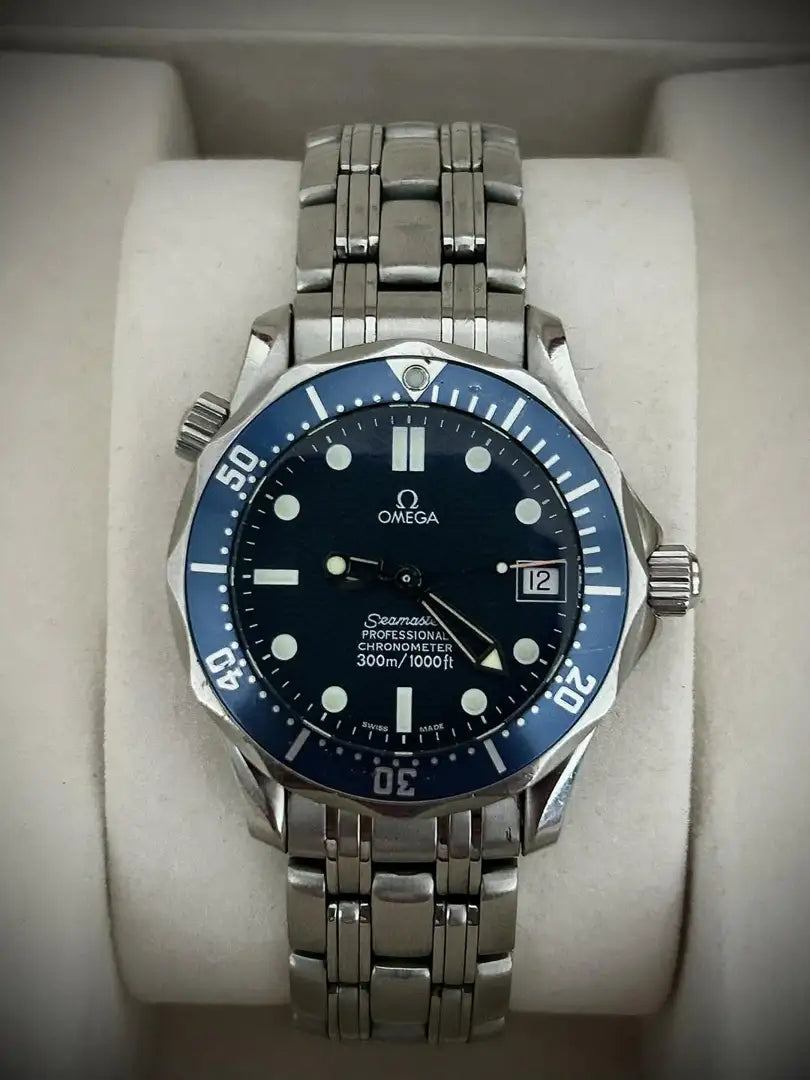
- Neo-Vintage (1990s to early 2000s): This transitional era offers the best of both worlds. Neo-vintage models combine classic proportions with modern reliability, such as sapphire crystals and more stable movements. A key milestone in this era was the transition from tritium to Luminova around 1998. If you are exploring classic designs, you might look into Pre-Owned Tudor references or Pre-Used Omega Watches from this period.
- Modern (Mid-2000s to present): Modern pre-owned models feature contemporary materials like ceramic bezels and advanced mechanical movements.
One critical area where these eras differ is watch care and restoration. For modern watches, light professional polishing is perfectly acceptable to restore a factory-fresh appearance. However, for vintage and neo-vintage pieces, polishing is generally avoided. Collectors highly value "unpolished" examples because heavy polishing rounds off the sharp factory edges of the case and lugs, which can reduce the value of a vintage timepiece by 10% to 30%.
A Step-by-Step Inspection Checklist for Buying Used Watches
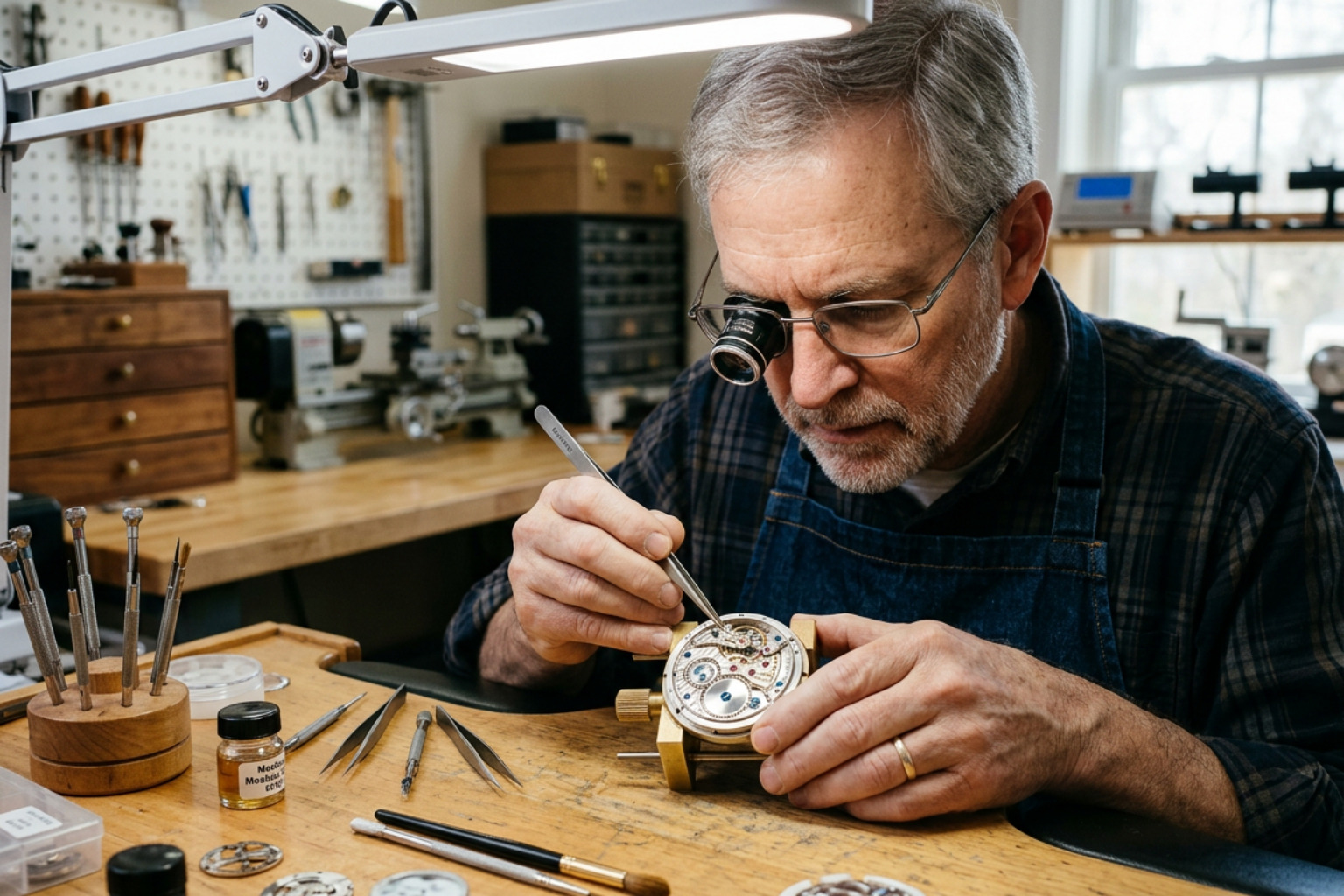
Before committing to a purchase, we must perform a systematic physical inspection. Whether you are holding the watch in person or reviewing high-resolution images online, use this step-by-step checklist to evaluate the timepiece:
- The Case and Lugs: Examine the case sides and lugs. Are the edges sharp and defined, or do they look soft and rounded from over-polishing? Compare the profile to factory photographs of the same reference number.
- The Dial and Hands: Inspect the dial under magnification if possible. Look for consistent fonts, correct spacing, and signs of water damage. Pay close attention to the luminous plots; they should match the ageing pattern of the hands. Mismatched hands often point to a later replacement.
- The Bracelet and Clasp: Hold the watch head and let the bracelet hang horizontally to check for "stretch" or looseness in the links. Ensure the clasp closes securely and that the brand logo is crisp and unblemished.
- The Crystal: Look for chips along the edge of the sapphire or acrylic crystal. On models with a date window magnifier (such as a Rolex Cyclops), ensure the magnification is correct and aligned.
- The Crown: Check that the crown is signed with the correct brand logo and screws down smoothly to the case.
- The Movement: If you can view the movement, look for clean bridges, unmarred screw heads, and correct brand engravings.
Evaluating Value, Depreciation, and Market Pricing
Understanding how luxury timepieces hold their value is key to avoiding overpayment. While retail buyers face immediate depreciation, pre-owned buyers enter the market at a much more stable valuation.
| Watch Status | Average Immediate Depreciation | Long-Term Value Trend | Availability |
|---|---|---|---|
| Brand New (Retail) | 20% to 40% | Gradual decline (exceptions apply) | Subject to boutique waitlists |
| Pre-Owned (Secondary) | Minimal to none | Stable or slow appreciation | Instant access |
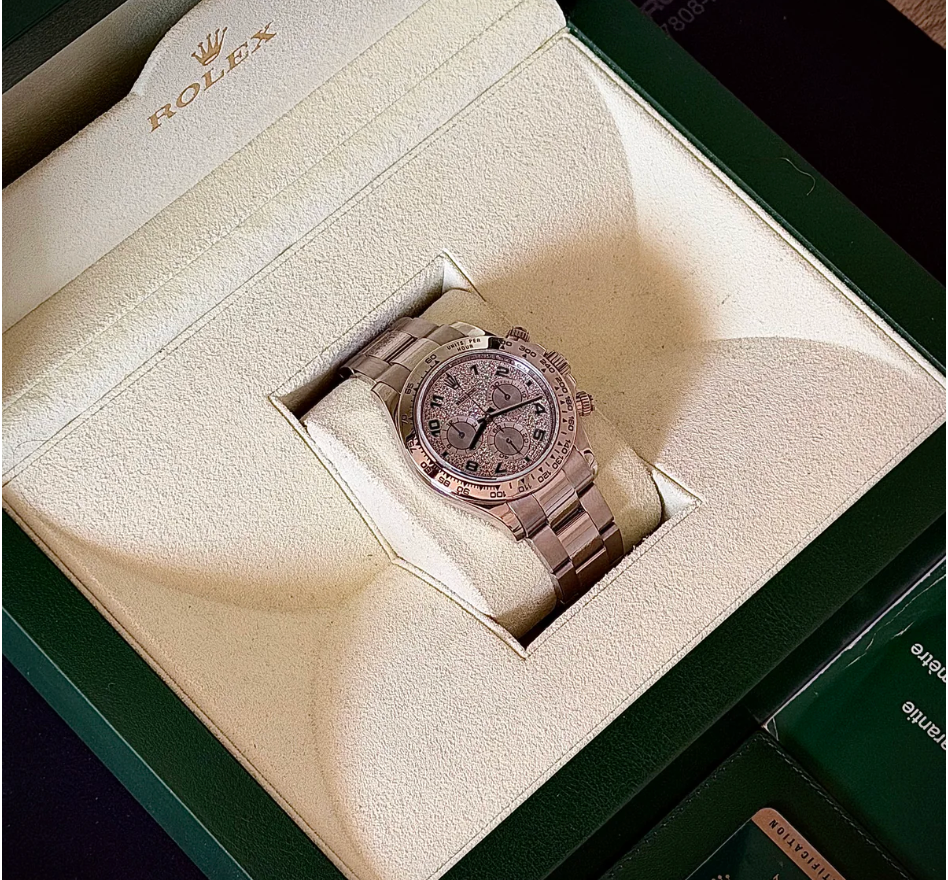
While most standard models follow this depreciation curve, certain highly sought-after references behave differently. For instance, steel sports models like the Rolex Daytona frequently trade above their original retail prices due to high demand. If you want to understand how certain models can become storehouses of value, explore our guide on The Case for Investing in Pre-Owned Watches.
To determine a fair market price, we recommend benchmarking the model across multiple platforms. Read through comparable listings to establish a median price, making sure to adjust your expectations based on the condition of the watch and what accessories are included.
The Importance of Documentation and Service History
A common question among buyers is how much weight to place on the original box and papers. While a "full set" is highly desirable, it is important to remember that documentation is a preference, not a substitute for checking the physical watch. Papers can be misplaced over decades, and a genuine watch without documentation remains a genuine watch. However, a full set does command a 10% to 20% premium because it provides helpful provenance.
When looking to Buy Used Rolex Online, documentation helps build a clear picture of the watch's journey. However, actual service records are often more valuable than the original packaging. Mechanical movements are complex machines that require a complete overhaul every five to ten years.
When evaluating a watch's history:
- Ask when the watch was last serviced and request the paperwork.
- Be cautious of phrases like "recently checked by our watchmaker," which often means only a visual inspection and a quick timing test rather than a full mechanical service.
- If a watch is over a decade old and has no documented service history, factor the cost of a professional movement overhaul into your budget.
- Always check that the serial number engraved on the watch case matches the serial number listed on any accompanying paperwork or digital cards. This is a vital step when sourcing a Pre-Owned Rolex Australia model or any other high-end timepiece.
Where to Safely Source: Navigating the Market When Buying Used Watches
The secondary watch market offers several sourcing channels, each with its own balance of risk and convenience.
- Private Peer-to-Peer Sales: Buying directly from an individual via online forums or classifieds can sometimes yield lower prices, but it carries the highest risk. Without specialist verification, you assume all the responsibility for proving the watch is genuine and original.
- Online Marketplaces: Large platforms offer a wide selection of listings, but navigating them requires careful filtering. If you choose this route, we suggest reading Your Guide to Buying Pre-Owned Luxury Watches Online to help protect yourself from common pitfalls.
- Established Dealers: Sourcing directly from a professional dealer is the safest option, especially for those new to the hobby. Reputable local specialists, such as those featured in our Pre-Owned Watches Perth Guide, handle the verification process for you, ensuring a secure and straightforward transaction.
To help you choose the right path, we have compiled a guide on Where to Buy Genuine Watches (focussing on genuine, verified sourcing) that highlights the peace of mind that comes with professional dealer standards.
Conclusion: Securing Your Next Timepiece
Buying used watches should be an exciting and rewarding experience, not a stressful guessing game. By focusing on the physical condition of the watch, verifying the reference details, and choosing the right sourcing channel, you can build a collection of exceptional timepieces that hold their value for years to come.
At WristWorks, we believe the safest and most efficient way to buy or sell a luxury watch is through a trusted direct-to-dealer model. We own 95% of our inventory outright, meaning every watch we offer has been carefully selected, thoroughly inspected, and prepared to the highest standard. While we offer a secure, professionally managed consignment service for collectors who prefer it, our primary focus is on straightforward, outright transactions that deliver speed, security, and fair value.
Based in Perth, Western Australia, we operate an online-first model designed to cut out the overheads of flashy physical boutiques, passing those savings directly on to you with clear, GST-inclusive pricing.
Ready to find your next timepiece? Explore our collection of pre-owned luxury watches today, or get in touch with us to discuss trading your current watch.