What's Your Watch Worth? Demystifying Trade-In Values
What Is Watch Trade-In Value and What Should You Expect?

Watch trade-in value is the amount a dealer, platform, or trade-in programme will pay you for your timepiece, and it varies widely depending on brand, model, condition, and where you sell.
Here is a quick breakdown of what shapes that number:
- Brand and model: Rolex and Omega generally retain or exceed retail value; lesser-known brands depreciate faster
- Condition: Mint condition with original box and papers commands the highest offers
- Case material: Titanium and stainless steel hold value better than aluminium
- Connectivity (smartwatches): GPS + Cellular models fetch 15–25% more than GPS-only versions
- Timing: Values drop when new models are announced, so selling earlier matters
- Where you sell: A specialist dealer typically offers more than a carrier or generic trade-in programme
Figuring out your watch's trade-in value is rarely as straightforward as looking up a number online. Market prices shift, condition is subjective, and the platform you choose can make a significant difference to what lands in your bank account. For collectors in Australia, the options have historically been limited — and not always transparent.
That is exactly the gap this guide is designed to fill. Whether you are looking to upgrade to a new piece or simply cash out, understanding how trade-in value is calculated puts you in a much stronger position before any negotiation begins. By learning how dealers assess your timepiece, you can make informed decisions that maximise your return.
I am Brad Purdy, founder of WristWorks, and I built this business specifically to bring transparency to the Australian pre-owned watch market after years of seeing sellers get undervalued and buyers get misled. My background in mechanics, sales, and finance gives me a practical, no-nonsense approach to understanding watch trade-in value — and everything in this guide reflects what I have learned from real transactions, not theory. Let us walk through exactly how it works.
Easy watch trade-in value word list:
Key Factors That Determine Your Watch Trade-In Value
When we evaluate a timepiece, we look at several core elements to establish a fair market valuation. Unlike typical consumer electronics that follow a predictable downward trajectory, luxury mechanical timepieces operate on a completely different set of rules. Their valuations are dictated by global supply, historical significance, and collector desire.
For collectors here in Perth and across Western Australia, keeping a close eye on these factors ensures you do not leave money on the table when it comes time to trade.
How Brand and Model Influence Watch Trade-In Value
Brand equity is the single most powerful driver of resale performance. A watch from a household name like Rolex or Omega will always command a stronger relative price than a fashion brand or a micro-brand. However, even within these prestigious cataloguing systems, individual model performance varies significantly.
For instance, highly coveted steel sports models often trade at a premium, with market prices that can equal or even exceed their original retail prices due to strict dealer allocations and long waiting lists. Conversely, dress watches or precious metal models may experience standard depreciation before stabilising.
To help illustrate how brand and model selection impact your bottom line, we have put together a comparative look at how popular models perform in the secondary market:
| Brand & Model | Primary Retail Availability | Secondary Market Price Trend |
|---|---|---|
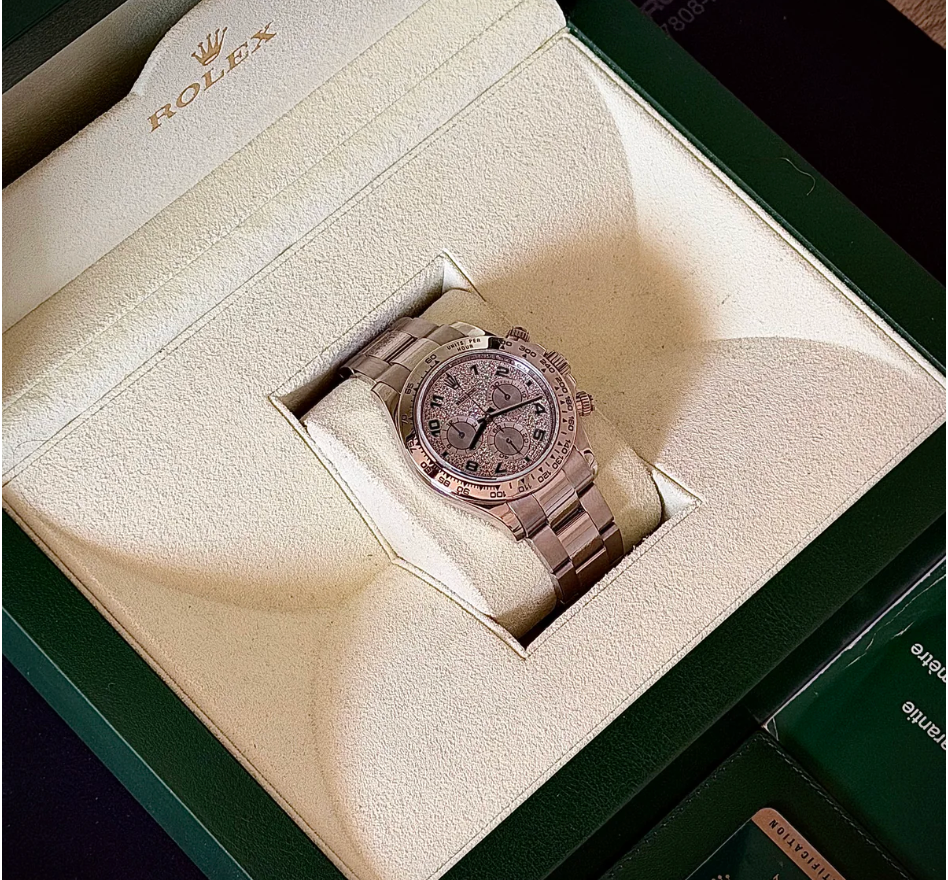
| Rolex Cosmograph Daytona | Extremely limited dealer allocation | Consistently trades above retail price |
| Rolex Datejust 41 | Limited availability | Often matches or slightly exceeds retail |
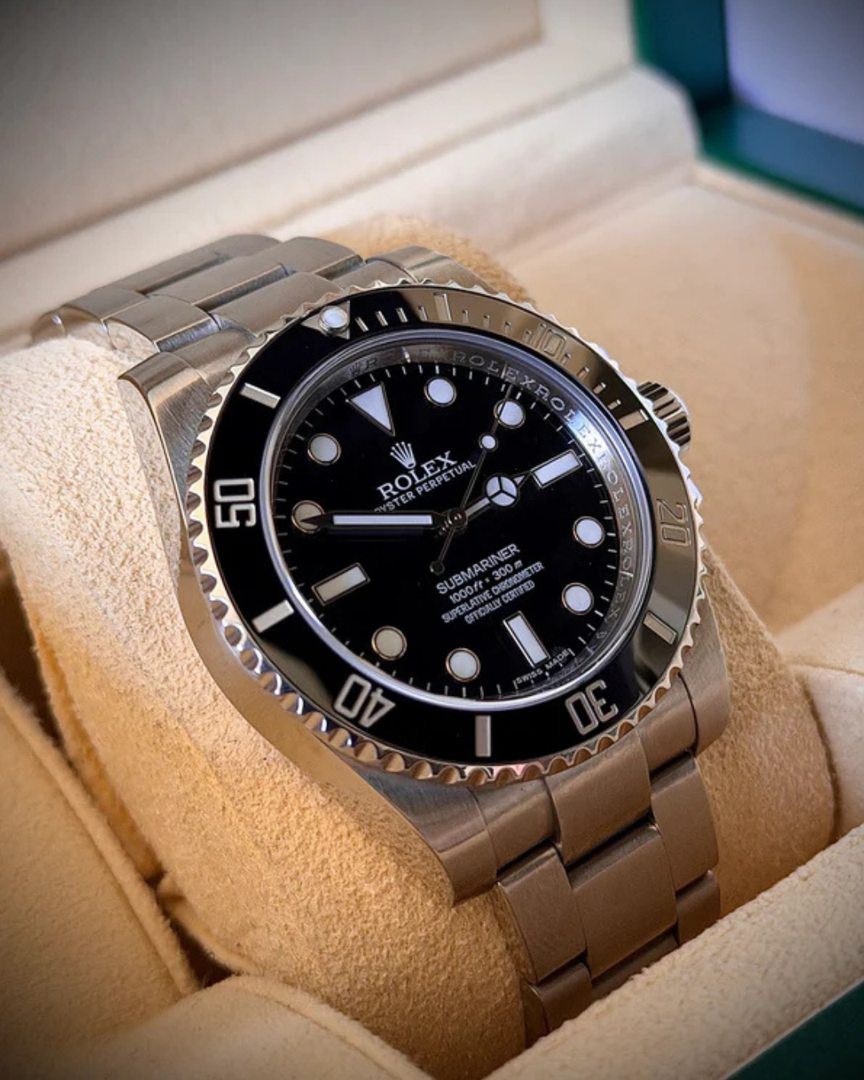
| Rolex Submariner (Steel) | Highly restricted | Frequently commands a market premium |
| Omega Speedmaster Professional | Readily available | Typically trades slightly below retail |
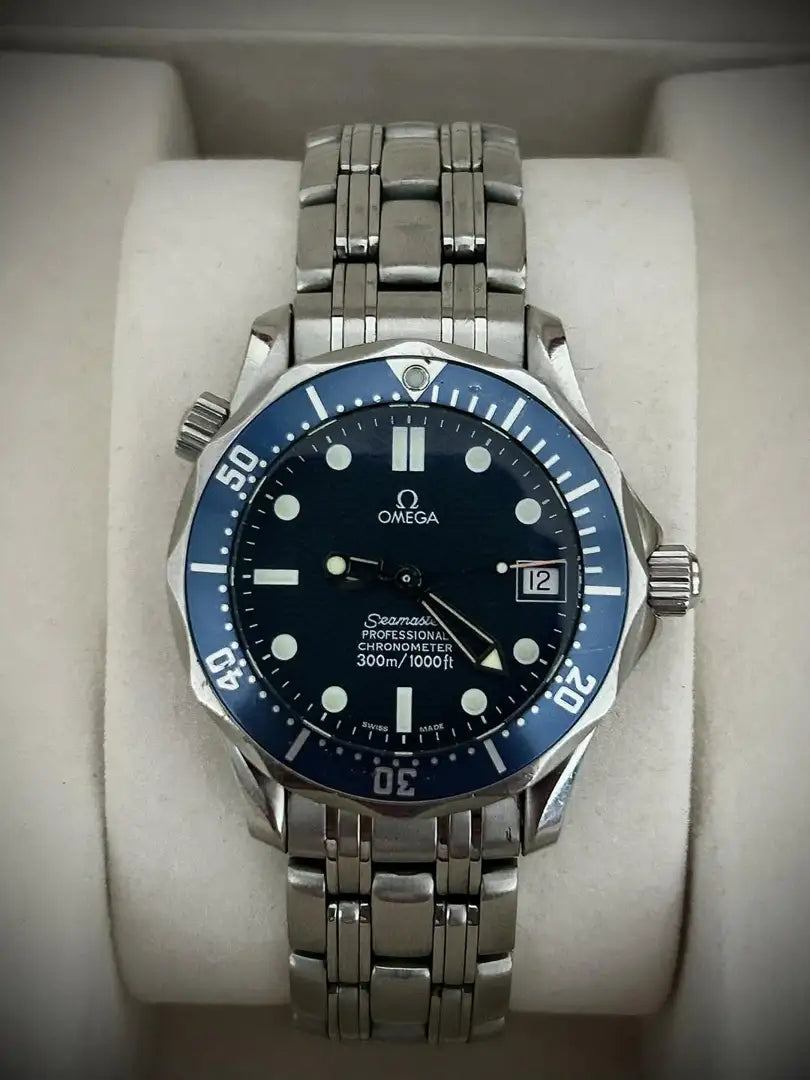
| Omega Seamaster Diver 300M | Generally available | Follows standard luxury depreciation |
As you can see, understanding the Luxury Watch Resale Value of your specific reference is essential before seeking an estimate.
Assessing Condition and Accessories for Maximum Watch Trade-In Value
The physical state of your watch plays a massive role in its final valuation. Scratches on the bezel, dents on the lugs, or deep flea bites on the sapphire crystal will naturally lower the offer.
Beyond the watch itself, the "scope of delivery", meaning the original box, papers, manual, and spare bracelet links is incredibly important. Missing the original paperwork or box can decrease a watch's trade-in offer by a significant percentage, as collectors heavily favour complete sets.
When it comes to maintaining your watch's value, we also have to talk about polishing. While a light, professional polish can restore the lustre of a modern luxury watch, it is generally avoided for vintage pieces. Over-polishing a vintage watch can soften its original factory bevels and sharply decrease its collectibility. If you want to learn more about preparing your luxury timepiece for valuation, check out our guide on How to Get Top Dollar Watch.
Case Materials and Connectivity in Smartwatch Valuations
If you are trading in a modern smartwatch rather than a mechanical timepiece, the valuation metrics shift toward materials and technology.
Case materials matter immensely. Titanium models command a significant premium over aluminium because titanium is lighter, more scratch-resistant, and far more durable over years of daily wear. Stainless steel sits comfortably in the middle, offering a polished look and better screen protection than basic aluminium models.
Connectivity also dictates the final number. Models equipped with GPS + Cellular capabilities consistently fetch a premium over GPS-only versions across all generations. To get a better idea of how these tech-focused factors influence your gadget's worth, you can explore the Apple Watch Trade-In Value Guide (2026 Prices) | GadgetRenu .
Comparing Trade-In Options: Direct Sales vs. Consignment
Once you know what your watch is worth, you need to decide how to trade it. For West Australian collectors, finding a secure, straightforward method is paramount to avoiding online marketplace headaches.
The Advantages of Direct-to-Dealer Outright Sales
At WristWorks, we strongly recommend direct-to-dealer outright sales as the primary method for trading your timepiece. Selling your watch directly to a specialist dealer offers unmatched speed, convenience, and transaction security.
With an outright sale, you receive a firm offer, and once the transaction is agreed upon, the deal is done. There is no waiting for a buyer, no dealing with lowball offers on public forums, and no shipping risks. Because we own 95% of our inventory directly, we are positioned to buy your watch outright, taking the market risk off your shoulders entirely.
Consignment as a Secondary Option
While we favour direct purchases, consignment remains a useful secondary option for certain high-value or highly niche timepieces where a collector is willing to wait for the absolute top market price.
In a consignment arrangement, you retain ownership of the watch while the dealer takes physical custody of the piece, manages the professional photography, markets it to their network, and handles the direct payment once a buyer is found. However, because this process relies on finding the right buyer, it can take weeks or even months, making it a secondary choice for those who prefer a swift transaction.
Preparing Your Timepiece for a Trade-In with WristWorks
Before you send your watch in for valuation, taking a few simple steps will ensure the process runs smoothly and you get the best possible offer.
For smartwatches, preparation is all about security:
- Unpair the watch from your companion phone to automatically back up your data.
- Disable the Activation Lock so the next owner can use it.
- Remove any active cellular plans.
- Perform a factory reset and give the casing a gentle clean with a damp, lint-free cloth.
For luxury mechanical watches, ensure the bracelet is clean, gather all spare links, and place the watch alongside its original box and papers.
If you have a damaged or broken watch — such as an older smartwatch with a cracked screen — you can still trade it in. While it will retain some value for parts, expect a significantly reduced offer.
When you are ready to take the next step with your luxury timepiece, submit your watch details for a straightforward valuation, or read our complete trade-in guide first.