Investing in Rolex for the Long Haul
Is a Rolex a Good Investment in 2026?

The short answer: some are, some aren't. Here's what the data shows for the models most buyers ask about:
| Model | Reference | Secondary Market Premium |
|---|---|---|
| Cosmograph Daytona | 126500LN | +65% to +95% above retail |
| GMT-Master II Pepsi | 126710BLRO | +70% to +100% above retail |
| GMT-Master II Bruce Wayne | 126710GRNR | ~+67% above retail |
| Submariner Date | 126610LN | +48% to +81% above retail |
| Datejust 41 | 126334 | ~+21% above retail |
Steel sport models with genuine scarcity consistently trade above retail. Standard dress references typically don't. Entry price, condition, and timing matter as much as the model itself.
A Rolex investment guide is something a lot of people search for after they've already decided they want one — and that's a reasonable place to start. Rolex is the dominant force in the global pre-owned watch market, accounting for roughly 34% of all secondary market transactions. The market index sits at 28,487 with a value retention rate of +14.7%, figures that most asset classes would be happy to match.
But not every Rolex appreciates. The steel Daytona purchased at retail in 2016 for around $12,400 now trades between $28,000 and $40,000. A standard Datejust in a common configuration often trades at or near retail, with little upside. The difference between those two outcomes comes down to model selection, condition, documentation, and when you buy.
The Australian pre-owned watch market has grown considerably over the past few years, but it still lacks the transparency many buyers deserve. Pricing is often opaque, margins are hidden, and the line between a good deal and an overpriced one isn't always clear.
I'm Brad Purdy, founder of WristWorks, and before building a business around transparent watch trading in Australia, I worked across mechanical and sales roles while studying finance — experience that shapes how I approach every watch transaction in this Rolex investment guide. In the sections ahead, I'll walk through what actually drives Rolex value, which models are worth considering in 2026, and how to buy or sell without getting caught out.
The Rolex Investment Guide: Key Value Drivers
To understand why certain watches perform well, we must look at the supply and demand dynamics of the global market. Rolex produces roughly 1.2 million watches annually. While that sounds like a large number, the global demand for steel sports models far outstrips this supply, creating multi-year waitlists at authorised dealers.
Another key driver is the brand's pricing strategy. Rolex has historically increased its retail prices almost annually. On January 1, 2026, another global price adjustment took effect, with steel models rising by 5.0% to 6.5%, and gold references increasing by 9.0% to 14.0% due to rising material costs. These retail price increases act as a protective floor for secondary market values; as the cost of a new watch rises, pre-owned models naturally follow.
When looking at why people put their money into watches, we have to ask: do luxury watches hold their value over the long term? Historically, yes, but the market has shifted. We are no longer in the speculative bubble of 2021. Today, we are seeing the new math of luxury watch value, where sustainable, long-term growth has replaced overnight hype.
Top Models to Favour in a Rolex Investment Guide
If your goal is capital preservation and steady growth, certain steel sport models remain the gold standard.
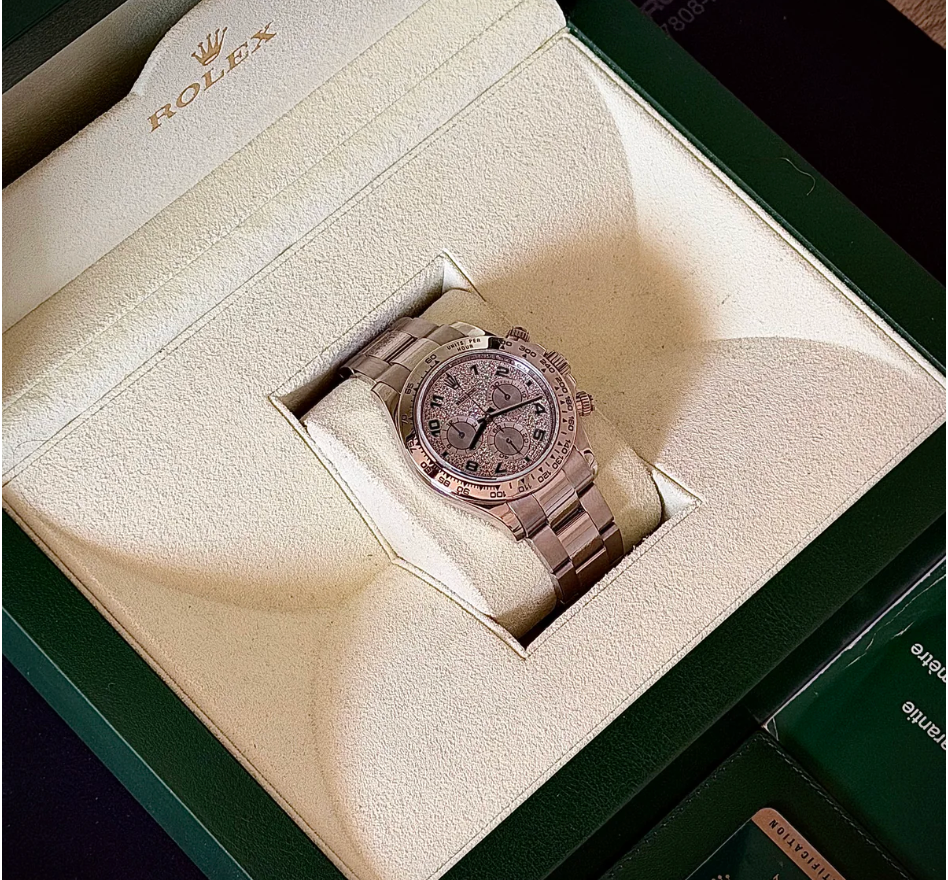
- Cosmograph Daytona (Ref. 126500LN): The white-dial steel Daytona is one of the most desirable watches in the world. It consistently commands the highest secondary market premiums, often trading at nearly double its retail price.
- GMT-Master II "Pepsi" (Ref. 126710BLRO): The red-and-blue ceramic bezel on a Jubilee bracelet remains a collector favourite. Rumours of production difficulties with the red ceramic insert have kept supply exceptionally tight, pushing secondary market prices to significant premiums.
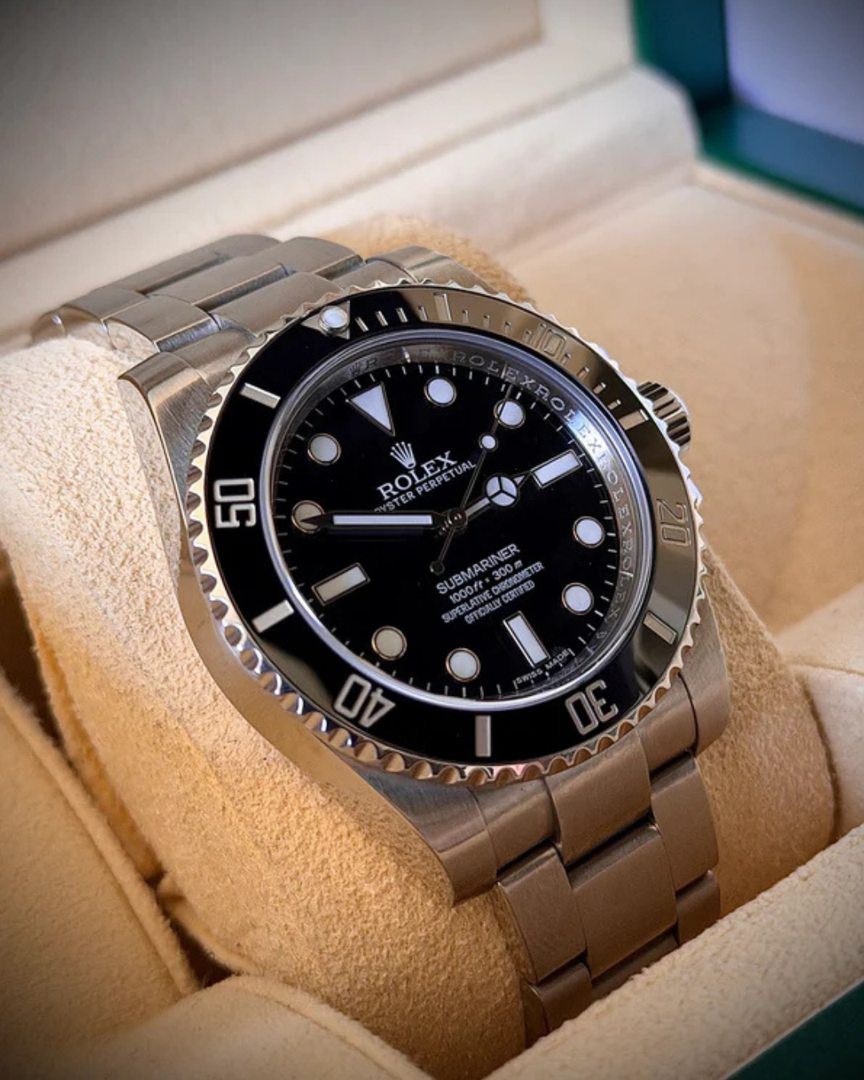
- Submariner Date (Ref. 126610LN): If you want a stable store of value, the black-dial Submariner is the most liquid watch on earth. It is easy to buy, easy to sell, and historically delivers reliable mid-to-high single-digit annualised growth.
For a deeper dive into the numbers behind these models, you can read the Best Rolex for Investment 2026 analysis. If you are ready to take the first step, our guide on how to invest in rolex outlines the practical steps for building a balanced watch collection.
Modern Releases vs. Discontinued References
A common dilemma for buyers is deciding whether to pursue a modern production piece or a discontinued reference.
Modern releases offer the latest movement technology, improved power reserves, and brand-new bracelets. However, acquiring them at retail requires either a long wait or a strong relationship with an authorised dealer.
Discontinued references, on the other hand, benefit from a fixed supply. Once Rolex stops producing a reference, the number of available pieces in the market is capped. A classic example is the Submariner "Hulk" (Ref. 116610LV) with its green dial and bezel. Since its discontinuation in 2020, its value has steadily climbed as collectors search for clean, unpolished examples.
When you look at how to invest in Rolex, discontinued models often represent a safer entry point because they have already moved past their initial depreciation curve. For a broader perspective on how these choices fit into a wider collection, consult our luxury watches investment guide 2026.
Historical Performance of Key Collections
While the "Big Three" (Daytona, GMT-Master II, and Submariner) get most of the attention, other collections offer different risk-and-return profiles.
The Datejust 41 (Ref. 126334) with a blue fluted dial on a Jubilee bracelet represents a highly liquid, low-volatility option. It trades at a modest premium over retail, making it a stable choice for those entering the market. On the other end of the spectrum, the GMT-Master II "Bruce Wayne" (Ref. 126710GRNR), with its black and grey bezel, has quickly become a modern favourite, showing strong premium retention since its release.
Understanding these differences is key to identifying what defines a good investment watch today. It is rarely about chasing the most expensive piece; instead, it is about finding the right balance of liquidity, historical performance, and entry price.
Strategic Sourcing and Portfolio Management

At WristWorks, we operate a 100% online model from Perth, Western Australia, focusing on transparency and value. We own 95% of the inventory we sell, which means we put our own capital behind the watches we choose.
For collectors looking to upgrade or exit their positions, we recommend direct-to-dealer sales. Selling your watch outright to a trusted dealer is the fastest, most secure way to unlock liquidity without dealing with the hassle of private listings, lowball offers, or security risks. While we do offer consignment as a secondary option for highly specialised pieces, direct sales remain our primary recommendation for speed and peace of mind.
If you are looking to build or rebalance your holdings, our luxury watch investment guide provides a strategic framework. For those buying their first piece, we also share practical advice in our guide on how to buy watches as investment.
Navigating the Secondary Market: A Rolex Investment Guide Checklist
When buying a pre-owned Rolex, the details determine the long-term value. Here is the checklist we use for every acquisition:
- Unpolished Case: Original factory chamfers and sharp lugs are highly prized. Excessive polishing removes metal, alters the case geometry, and can reduce a watch's value by 10% to 20%.
- Box and Papers: A rolex full set including the original box, manual, and matching serial card typically commands a 15% to 20% premium over a "naked" watch.
- Matching Serials: Always verify that the serial number engraved on the inner bezel matches the paperwork.
- Service History: Documented service history from a reputable watchmaker adds peace of mind and preserves the movement's longevity.
For a complete breakdown of what to look for, refer to our comprehensive guide to buying rolex watches.
Risks, Liquidity, and Long-Term Value
No investment is without risk. The luxury watch market experienced a significant correction between 2022 and 2024, with some highly speculative models pulling back by 15% to 25%. While the market has stabilised in 2026, it serves as a reminder that watches are not guaranteed to go up in value every year.
Liquidity is another consideration. Unlike shares or digital assets, you cannot sell a luxury watch with the click of a button at a guaranteed price. Finding the right buyer or working with a dealer takes time, which is why we advise collectors to focus on highly liquid models like the steel Submariner or GMT-Master II.
Proper watch care is also vital for preserving value. While light polishing is perfectly acceptable to clean up scuffs on modern sports watches, it should be avoided entirely for vintage references, where original, untouched condition is paramount.
The shift towards treating watches as tangible assets is detailed in our article on the resale boom that turned collectors into investors.
If you are ready to find your next piece, we invite you to Explore our curated collection of luxury watches. Whether you are looking to buy, trade, or sell directly, we are here to make the process simple, secure, and transparent.